Best Beginner Drum Kits
Acoustic or electronic, what a complete kit includes, and how to buy for a child or an adult.
PercussionDream is reader-supported. When you buy through links on this page we may earn an affiliate commission, at no extra cost to you. How this works
A first drum kit is a big purchase, and the choice between acoustic and electronic matters more than the brand. This guide explains what a complete kit includes, how the options compare on noise and space, and how to buy for a child or an adult.
What a complete kit includes
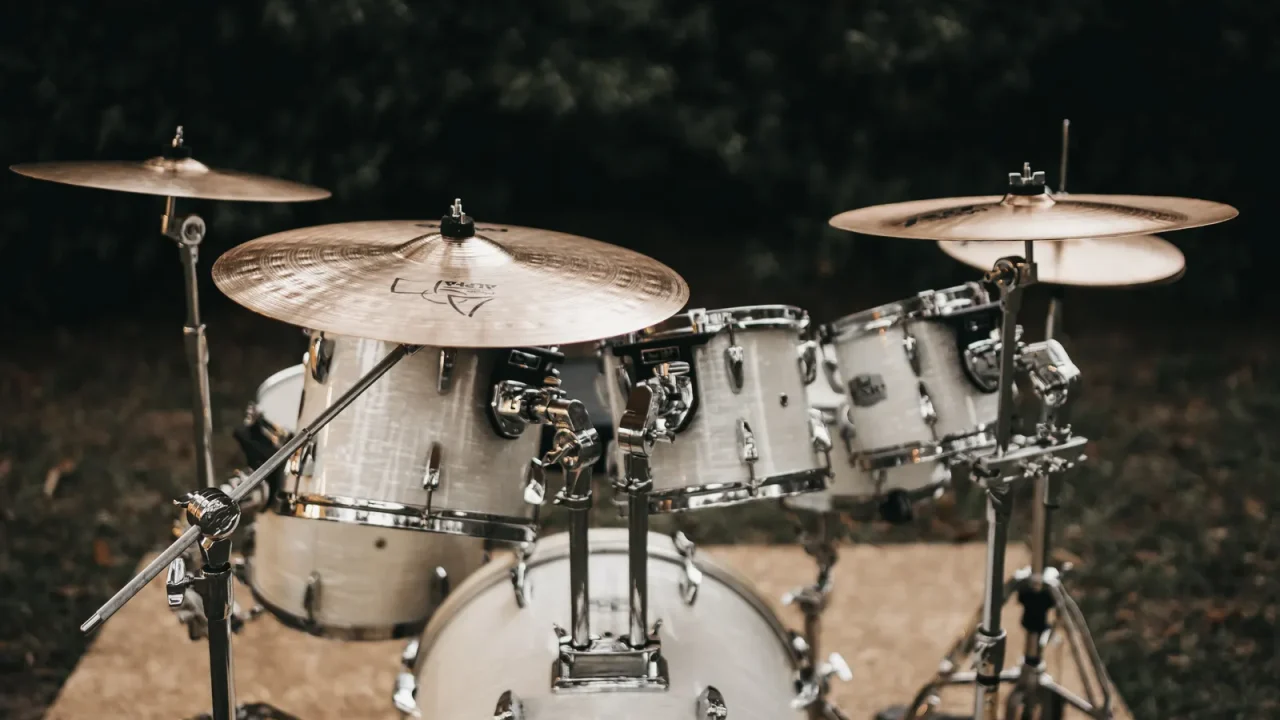
A standard 5-piece kit has a bass drum, a snare drum, two rack toms and a floor tom. A complete beginner kit adds the hardware (hi-hat stand, snare stand, cymbal stand and bass drum pedal), basic cymbals (hi-hats and a crash or crash-ride) and a throne. A shell pack is drums only, so read listings carefully.
Acoustic or electronic?
Acoustic kits feel and sound the way drums are meant to, respond to every nuance, and are what most teachers and bands use. They are also very loud. Electronic kits play through headphones or an amplifier, take up less room and often include a metronome and practice songs. Mesh pads feel closer to real drums than rubber ones. Even an electronic kit sends some thump through the floor from the pedals.
Sizing for children and adults
Junior kits have smaller drums, typically with a 16-inch bass drum, and suit younger children who cannot yet reach a full-size kit. Most teenagers and adults should buy a full-size kit with a 20 or 22-inch bass drum. Compact kits with shallower or smaller drums are a good compromise in a small room.
Living with the noise
An acoustic kit is loud enough that hearing protection is essential for the player. To reduce the volume for everyone else, mesh practice heads and low-volume cymbals turn an acoustic kit into a far quieter practice instrument, and a thick rug under the kit helps a little with vibration.
Quick comparison
| Kit type | Best for | Volume | Space needed | Our take |
|---|---|---|---|---|
| Complete acoustic kit | The full playing experience | Very loud | Most | Best if noise is not an issue |
| Electronic kit (mesh) | Quiet practice | Quiet with headphones | Least | Best for shared homes |
| Junior kit | Young children | Loud | Small | A first kit, not a forever kit |
| Acoustic with low-volume setup | Quiet practice on a real kit | Moderate | Most | A good upgrade later |
Beginner kit options worth a look
These boxes describe types of gear rather than single models. Each button opens live Amazon results, so you see current options, prices and buyer reviews for yourself. We have not bench-tested individual products for this guide. How we choose gear.
Complete 5-piece acoustic kit
Best for: Learners with a garage, basement or tolerant household
Everything needed to play is in the box: drums, stands, pedal, cymbals and throne.
- The real feel and sound
- Nothing else to buy on day one
- Works for lessons and bands
Keep in mind: Very loud; needs space
Affiliate link — we may earn a commission.
Electronic kit with mesh heads
Best for: Shared walls, night-time practice and small rooms
Mesh pads feel closer to real drumheads and are quieter to hit than rubber pads.
- Practise on headphones
- Built-in metronome and sounds
- Compact footprint
Keep in mind: Cymbal and pedal feel differ from acoustic
Affiliate link — we may earn a commission.
Junior drum kit
Best for: Children who cannot yet reach a full-size kit
Smaller drums and lower stands put everything within a child-sized reach.
- Comfortable for small players
- Lower cost
- Usually sold complete
Keep in mind: Outgrown within a few years
Affiliate link — we may earn a commission.
Low-volume cymbals and mesh heads
Best for: Acoustic kit owners who need to turn the volume down
Swapping heads and cymbals cuts the volume dramatically while keeping the layout and feel of your own kit.
- Keeps your real kit
- Big reduction in volume
- Reversible
Keep in mind: Tone is thin; for practice only
Affiliate link — we may earn a commission.
Drum throne
Best for: Any kit sold without a seat
A stable, height-adjustable throne affects your posture, balance and stamina more than any other accessory.
- Proper posture
- Adjustable height
- Lasts for years
Keep in mind: Very cheap thrones wobble
Affiliate link — we may earn a commission.
Want the detail? Read our full guide to drum accessories.
Before you buy: a short checklist
- Does the listing say hardware, cymbals and throne are included?
- Where will it live, and who will hear it?
- Is the player tall enough for a full-size kit?
- Budget for sticks, a rug and hearing protection
- For electronic kits: mesh pads, and a kick pad that uses a real pedal
Frequently asked questions
Should a beginner buy an acoustic or electronic kit?
Whichever one you will actually be able to play. If noise limits your practice time, an electronic kit you can use daily beats an acoustic kit you can only play on Saturday afternoons.
What does a 5-piece kit include?
Five drums: bass drum, snare, two rack toms and a floor tom. Cymbals, stands, a pedal and a throne are only included when the listing says the kit is complete.
How much space does a drum kit need?
Plan for a footprint of roughly 5 by 6 feet for a full-size acoustic kit, plus room to get in and out. Electronic and compact kits need noticeably less.
What age can a child start drums?
There is no fixed age. Many children begin between about six and eight, when they can sit at a junior kit and reach the pedals. A teacher can advise for your child.
Do I need hearing protection?
Yes for acoustic kits, every time you play. Filtered musicians earplugs lower the volume while keeping the sound clear.
The bottom line
Decide on noise first, then size, then budget. Plan the layout with our Setup Visualizer, pick up a pair of 5A sticks, and protect your ears from the first session with a pair of filtered earplugs.