Best Cajons
Snare systems, sizes and woods — how to pick a cajon for acoustic sets, small gigs and home practice.
PercussionDream is reader-supported. When you buy through links on this page we may earn an affiliate commission, at no extra cost to you. How this works
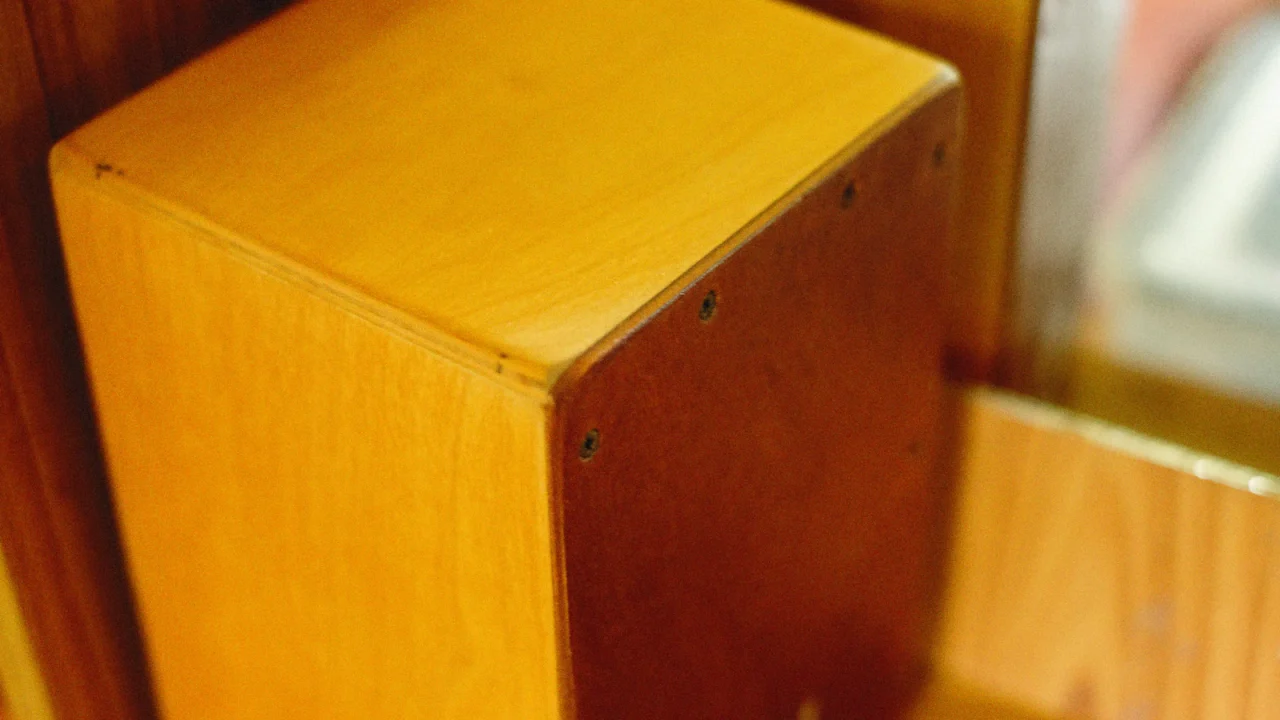
A cajon (say ka-HON) is a wooden box drum that you sit on and play with your hands. Strike the middle of the front plate for a low bass note; strike near the top edge for a sharp, snare-like crack. That two-voice trick lets one player cover the job of a small drum kit, which is why cajons turn up at acoustic gigs, in classrooms and in living rooms.
Snare cajon or string cajon?
Most modern cajons have something inside that buzzes against the front plate (the tapa). Snare wires, like those under a snare drum, give a crisp, kit-like backbeat that suits pop, rock and worship music. Guitar-style strings stretched behind the tapa give a finer, subtler sizzle associated with flamenco.
A traditional Peruvian cajon has neither, and sounds dry, woody and open. Some cajons let you adjust the snare tension or switch the snare off entirely, which is useful if you play several styles.
Size and seating height
A full-size adult cajon is usually about 18 to 20 inches tall and around 12 inches wide and deep. You should be able to sit with your feet flat and your thighs roughly level. Children are generally more comfortable on a junior cajon.
Compact and travel designs are easier to carry and quieter, but a smaller box means less bass. Some are played on the lap or between the knees rather than sat on.
Wood and build quality
The front plate is a thin sheet of plywood, often birch, and it does most of the work: a thinner, well-fitted tapa responds to lighter touches. The body is usually plywood, with MDF on some budget models. Look for solid joints, rubber feet that stop the box sliding, and rounded top corners that are kinder to your hands.
Extras worth having
A padded bag protects the corners and front plate if the cajon leaves the house. A seat pad makes long sessions more comfortable. For amplified gigs you will eventually want a cajon microphone or pickup, and brushes are a simple way to lower the volume and change the texture.
Quick comparison
| Type | Best for | Sound character | Skill level | Our take |
|---|---|---|---|---|
| Snare cajon | Pop, rock, worship | Punchy bass, crisp snare | Beginner onward | The default first cajon |
| String cajon | Flamenco, Latin | Warm with a fine sizzle | Beginner onward | Choose it for the sound |
| Peruvian (no snare) | Traditional Afro-Peruvian music | Dry, woody, open | Any | Beautiful, less versatile for covers |
| Adjustable snare | Mixed styles, recording | Switchable | Any | Worth it if you play varied music |
| Travel / compact | Busking, travel | Lighter bass | Any | A convenient second box |
Cajon types worth a look
These boxes describe types of gear rather than single models. Each button opens live Amazon results, so you see current options, prices and buyer reviews for yourself. We have not bench-tested individual products for this guide. How we choose gear.
Full-size snare cajon
Best for: Pop, rock, worship and acoustic covers
Snare wires behind the front plate give a familiar backbeat, so simple grooves sound convincing early on.
- Clear contrast between bass and snare
- Doubles as a seat
- Wide choice at every budget
Keep in mind: The snare buzz is always there unless it can be switched off
Affiliate link — we may earn a commission.
String cajon
Best for: Flamenco, Latin styles and players who want a subtler sizzle
Strings sit lightly against the tapa and respond to delicate finger strokes.
- Sensitive to light playing
- String tension is often adjustable
- Warm, woody character
Keep in mind: Less punchy backbeat than snare wires
Affiliate link — we may earn a commission.
Cajon with adjustable snare
Best for: Players who switch between styles
A lever or dial eases the snare off the front plate, giving you a dry traditional tone and a crisp modern one from the same box.
- Two characters in one instrument
- Good for recording
- Grows with you
Keep in mind: More moving parts to look after
Affiliate link — we may earn a commission.
Travel or compact cajon
Best for: Busking, travel and small rooms
Smaller boxes and slap-top designs are light, easy to carry and gentler on the neighbours.
- Easy to transport
- Quieter than a full-size box
- A handy second instrument
Keep in mind: Noticeably less bass
Affiliate link — we may earn a commission.
Padded cajon bag
Best for: Anyone carrying a cajon to lessons or gigs
A bag with backpack straps frees your hands and protects the thin front plate from knocks.
- Protects corners and tapa
- Backpack straps
- Pocket for brushes and accessories
Keep in mind: Check the internal size against your cajon
Affiliate link — we may earn a commission.
Before you buy: a short checklist
- Sit on it if you can: feet flat, thighs level, back relaxed
- Tap the centre and the top corners; you should hear two clearly different sounds
- Look for rubber feet and smooth, rounded top corners
- Decide whether you need the snare to switch off
- Budget for a bag if it will leave the house
Frequently asked questions
Is a cajon good for beginners?
Yes. You can play a recognisable groove in your first session using just two sounds, and there is no setup beyond sitting down. Good technique still takes practice, but the first steps are friendly.
How loud is a cajon?
Quieter than a drum kit but not silent. Bass notes carry through floors, so a rug or mat underneath helps in apartments. Playing with fingertips or brushes lowers the volume further.
Do I need a snare cajon or a string cajon?
If you mostly play along with pop, rock or worship songs, a snare cajon gives the more familiar backbeat. If you are drawn to flamenco or want a subtler texture, choose strings.
What size cajon do I need?
Most adults are comfortable on a full-size cajon about 18 to 20 inches tall. Children usually do better on a junior model so their feet stay flat on the floor.
Can a cajon replace a drum kit?
For acoustic sets and small rooms, often yes: the bass and snare tones cover the core of a groove. You will not get cymbals or toms unless you add accessories such as a foot shaker or side-mounted percussion.
The bottom line
Start with a full-size snare cajon, add a bag, and spend your first weeks on a steady bass-and-snare groove with a metronome. Our Rhythm Pattern Generator has cajon-friendly patterns to practise, and a string cajon or travel box makes a natural second instrument later.