Best Bongos
Sizes, shells and heads — what matters when you buy a first pair of bongos.
PercussionDream is reader-supported. When you buy through links on this page we may earn an affiliate commission, at no extra cost to you. How this works
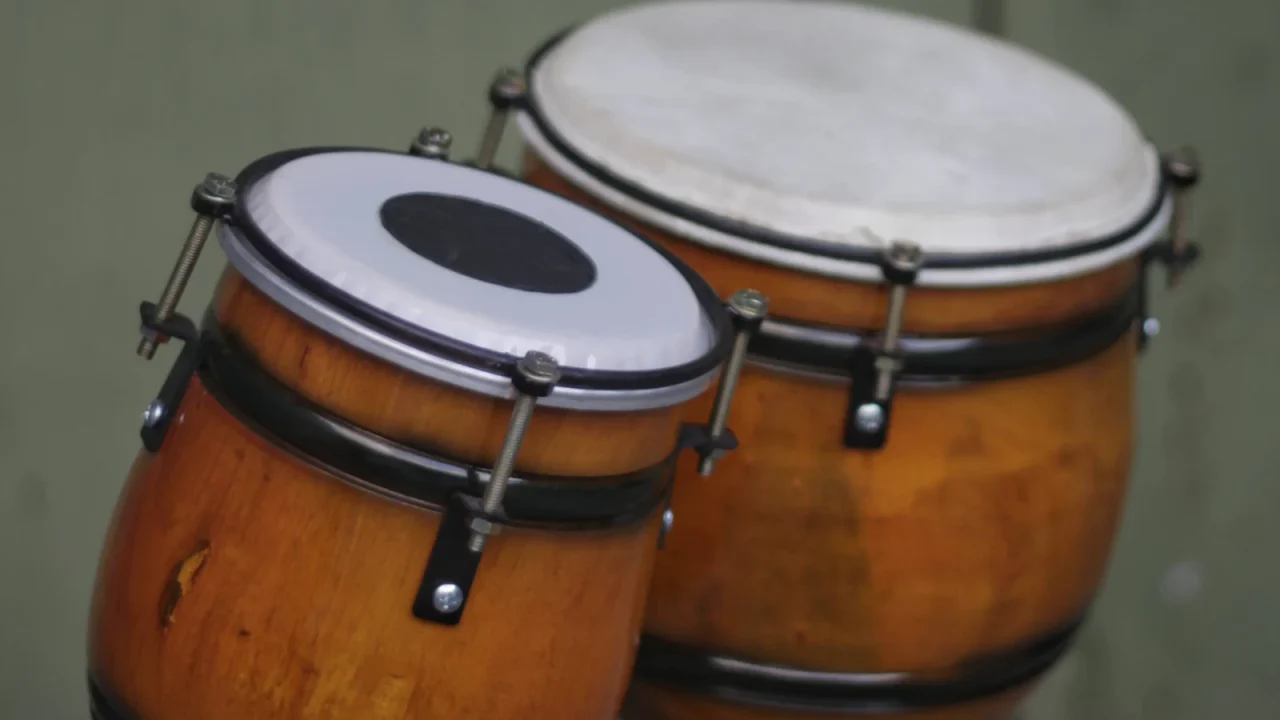
Bongos are a pair of small, open-bottomed hand drums joined by a wooden bridge. The smaller drum is the macho and the larger the hembra. They come from Cuba, where they drive son and salsa, and they are played seated with the drums gripped between the knees, using the fingers and palms.
Because they are compact, affordable and quick to get a sound from, bongos are one of the most popular first percussion instruments.
Size
Standard adult bongos have heads of around 7 inches (macho) and 8.5 inches (hembra). That size gives a clear difference in pitch between the two drums and enough surface for proper finger technique. Smaller and mini bongos are easier for children to hold but sound thinner.
Shell material
Wood shells are the traditional choice and tend to sound warm and rounded. Fibreglass shells are louder and brighter and shrug off knocks and weather, which is why they are popular for outdoor and amplified playing. Either is a sound choice for a beginner.
Heads: natural or synthetic
Natural rawhide heads give the classic warm, dry crack but react to humidity and temperature. Synthetic heads hold their tuning in changing conditions and are easier to live with if the drums will travel or be played outdoors.
Tuning hardware
Proper bongos are tuned with a small wrench on the lugs underneath. The macho is tuned high and tight for a sharp, cutting tone, with the hembra noticeably lower. Tune in small, even turns around the drum. Many players ease the tension on natural heads after a session to help them last.
Quick comparison
| Type | Best for | Sound character | Skill level | Our take |
|---|---|---|---|---|
| Standard wood, natural heads | Learning and acoustic playing | Warm, dry, traditional | Beginner onward | The classic starting point |
| Fibreglass, synthetic heads | Outdoor and amplified playing | Bright, loud, cutting | Any | Pick it for durability |
| Junior / mini | Young children | Thin, high | First steps | Fun, but soon outgrown |
Bongo types worth a look
These boxes describe types of gear rather than single models. Each button opens live Amazon results, so you see current options, prices and buyer reviews for yourself. We have not bench-tested individual products for this guide. How we choose gear.
Standard wood bongos
Best for: Latin rhythms, acoustic jams and lessons
Standard sizes and tunable hardware mean you can learn real technique and keep the drums as you improve.
- Warm, traditional tone
- Proper tuning lugs
- Wide choice at every budget
Keep in mind: Natural heads react to humidity
Affiliate link — we may earn a commission.
Fibreglass bongos with synthetic heads
Best for: Bands, outdoor playing and humid climates
Tougher shells and weather-resistant heads keep their tuning where wood and rawhide struggle.
- Bright and loud
- Stable tuning
- Hard-wearing
Keep in mind: Brighter tone is less traditional
Affiliate link — we may earn a commission.
Junior or mini bongos
Best for: Small hands and first musical play
A smaller pair is easier for a child to grip between the knees.
- Light and easy to hold
- Inexpensive
- Good introduction to rhythm
Keep in mind: Often not tunable; outgrown quickly
Affiliate link — we may earn a commission.
Bongo stand
Best for: Players who add bongos to a drum kit or percussion setup
A stand holds the drums at standing or seated height and frees your knees.
- Adjustable height
- Lets you combine instruments
- Saves your legs on long gigs
Keep in mind: Check it fits your bongo size
Affiliate link — we may earn a commission.
Padded bongo bag
Best for: Anyone travelling with their drums
Heads and tuning hardware are the vulnerable parts; a padded bag protects both.
- Protects heads and lugs
- Shoulder strap
- Pocket for the tuning wrench
Keep in mind: Check the fit for your sizes
Affiliate link — we may earn a commission.
Before you buy: a short checklist
- Heads around 7 and 8.5 inches for an adult learner
- Tuning lugs and a wrench included
- Smooth, comfortable rims; your hands will hit them
- Natural heads for tradition, synthetic for stability
- A bag if the drums will travel
Frequently asked questions
Are bongos easy to learn?
They are easy to start. You can play a simple pattern in minutes, and the basic Cuban rhythm, the martillo, is a rewarding first goal. Clean tones and speed take longer.
Are bongos easier than congas?
For most people, yes. Bongos are smaller, cheaper and need less space, and the strokes you learn carry over if you move to congas later.
How do I hold bongos?
Sit toward the front of a chair and grip the drums between your knees, with the smaller drum on the side of your weaker hand. For most right-handed players that puts the macho on the left.
Do bongos need tuning?
Yes. Tune the small drum high and crisp and the large drum clearly lower, using small, even turns of the wrench around the lugs.
Can I play bongos with sticks?
Bongos are designed for hands. Sticks can dent or split natural heads. If you want to play with sticks, timbales are the instrument built for it.
The bottom line
Buy a standard-size, tunable pair, learn to tune them, and practise the martillo slowly with a metronome. When you want a deeper voice alongside them, congas are the natural next step.