Best Djembes
Rope-tuned or key-tuned, natural or synthetic heads — how to choose a djembe that fits you.
PercussionDream is reader-supported. When you buy through links on this page we may earn an affiliate commission, at no extra cost to you. How this works
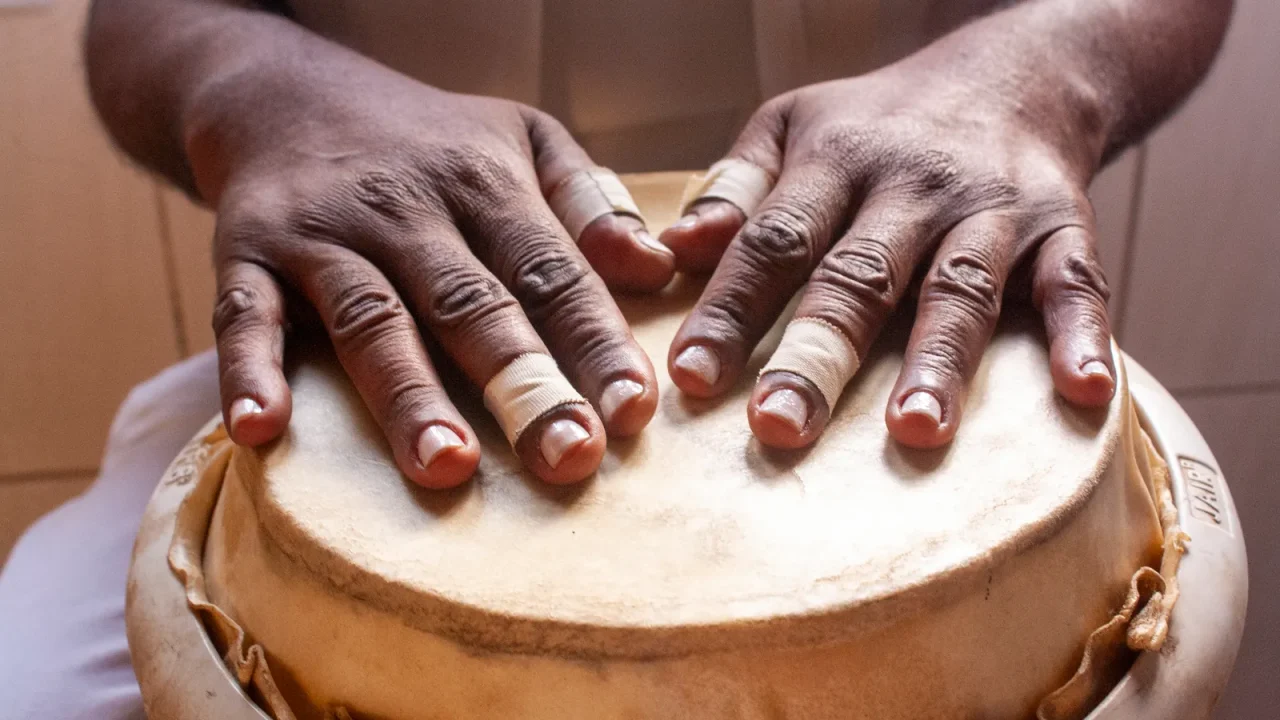
The djembe is a goblet-shaped drum from West Africa, traditionally carved from a single piece of hardwood, topped with a goatskin head and tuned with rope. One head produces three core sounds: a deep bass in the centre, a round tone near the edge and a sharp, high slap.
That range, and the fact that it works brilliantly in groups, has made the djembe a favourite for drum circles, classrooms and community music.
Size matters more than you think
Head diameter drives both the sound and the comfort. Full-size djembes of roughly 12 to 14 inches have real bass and enough playing surface for adult hands. Drums of 8 to 10 inches are lighter and easier for children or travel, but their bass is weaker.
Rope-tuned or key-tuned
Rope-tuned djembes use a woven rope system to tension the head. It is traditional and looks beautiful, but retuning takes technique and effort. Key-tuned (mechanical) djembes use lugs you turn with a drum key or wrench, so adjustments take seconds. Pretuned drums cannot be adjusted at all; they are inexpensive and common in classrooms.
Shell and head
Carved hardwood shells are resonant and heavy. Synthetic shells are lighter and unaffected by weather. Goatskin heads have a complex, warm sound but dislike damp and heat; synthetic heads are consistent and durable.
Playing position
Seated players tilt the drum away so the bottom is open and the bass can escape. A strap lets you play standing and move around. A stand is useful if you play for long periods or have back concerns.
Quick comparison
| Type | Best for | Maintenance | Sound | Our take |
|---|---|---|---|---|
| Key-tuned, synthetic head | Beginners, classrooms | Very low | Clear, consistent | The practical first djembe |
| Rope-tuned, goatskin | Traditional playing | Higher | Warm, complex | Rewarding if you will look after it |
| Pretuned | Young children, casual use | None | Limited | Fine as a toy, limiting as an instrument |
Djembe types worth a look
These boxes describe types of gear rather than single models. Each button opens live Amazon results, so you see current options, prices and buyer reviews for yourself. We have not bench-tested individual products for this guide. How we choose gear.
Key-tuned djembe with synthetic head
Best for: Beginners, schools and anyone who wants low maintenance
Tunes in seconds with a key and is unbothered by humidity or travel.
- Fast, simple tuning
- Weather-resistant
- Often lighter than wood
Keep in mind: Sound is a little less complex than goatskin
Affiliate link — we may earn a commission.
Rope-tuned wooden djembe
Best for: Players drawn to West African music
A carved hardwood shell with a goatskin head gives the depth and crack the instrument is known for.
- Rich, authentic tone
- Beautiful craftsmanship
- Holds its value when well made
Keep in mind: Heavier; retuning takes practice
Affiliate link — we may earn a commission.
Small or travel djembe
Best for: Young players and packing light
A head of 8 to 10 inches is easy to carry and to reach around.
- Light and portable
- Lower cost
- Good introduction
Keep in mind: Weaker bass; outgrown by adults
Affiliate link — we may earn a commission.
Djembe bag
Best for: Anyone taking the drum to classes or circles
A fitted, padded bag guards the head and bearing edge and makes carrying far easier.
- Backpack straps
- Head protection
- Pocket for a key or strap
Keep in mind: Buy by head diameter and height
Affiliate link — we may earn a commission.
Djembe strap
Best for: Performers and drum circle players who like to move
A padded strap carries the weight on your shoulders so both hands stay free.
- Play standing
- Inexpensive
- Adjustable
Keep in mind: Tiring with a heavy wooden drum
Affiliate link — we may earn a commission.
Before you buy: a short checklist
- Head of about 12 inches or more for an adult
- Decide how much tuning effort you will accept
- Lift it: can you carry it comfortably?
- Goatskin for tradition, synthetic for durability
- Add a bag, and a strap if you want to stand
Frequently asked questions
What size djembe should a beginner buy?
Adults should look for a head of about 12 inches or larger. Children are more comfortable with 8 to 10 inches.
Rope-tuned or key-tuned?
Key-tuned drums are simpler to maintain and a sensible first choice. Rope-tuned drums are traditional and sound superb, but you will need to learn how to tighten the rope.
Is a djembe loud?
Yes. Slaps are sharp and carry a long way. In a drum circle or classroom the combined volume can be high, so hearing protection is worth having.
Can children play the djembe?
Yes, and they usually love it. Choose a small, light drum so they can reach the head comfortably and hold the drum steady.
How do I care for a goatskin head?
Keep the drum away from damp, direct heat and hot cars. Wipe your hands before playing and store it in a bag. Natural heads will change pitch with the weather; that is normal.
The bottom line
A key-tuned, 12-inch djembe with a synthetic head is the low-stress way to begin. If the traditional sound draws you in, move to a rope-tuned wooden drum once you know you will keep playing.