Buying Guides
Best Drum Sets for Kids: Sizes by Age and What to Buy
The best drum set for a child is the one that fits them now: here is which type suits which age, what to check for safety, and how to handle the noise.
The percussion magazine & buying guide
Plain-English buying guides, beginner advice and free practice tools for cajon, bongos, congas, drums and more.
The best drum set for a child is the one that fits them now: here is which type suits which age, what to check for safety, and how to handle the noise.
Start here
Three steps from “where do I begin?” to your first week of practice.
Answer a few questions about space, noise and the music you like, and get a starting instrument that fits.

See the easiest percussion instruments to learn and what each one is best at.
Turn your goal and your schedule into a realistic weekly plan you can stick to.
Buying guides
What actually matters before you spend money, explained without the jargon.
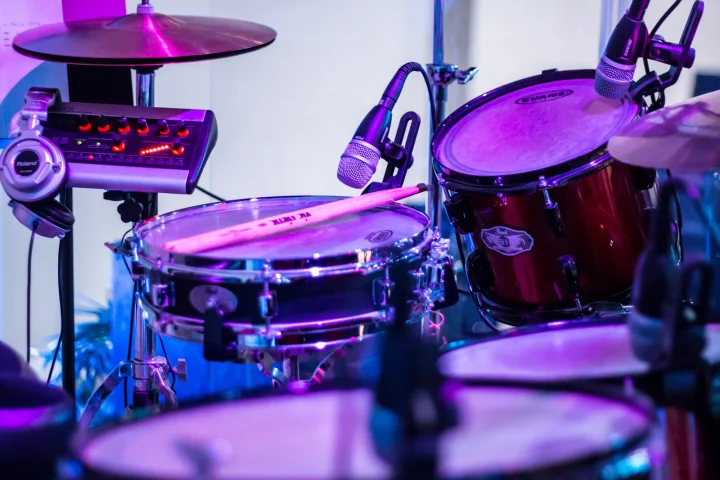
Electronic drums let a church band play with energy at a volume the room can take: here is what to look for and how to connect one to the sound system.
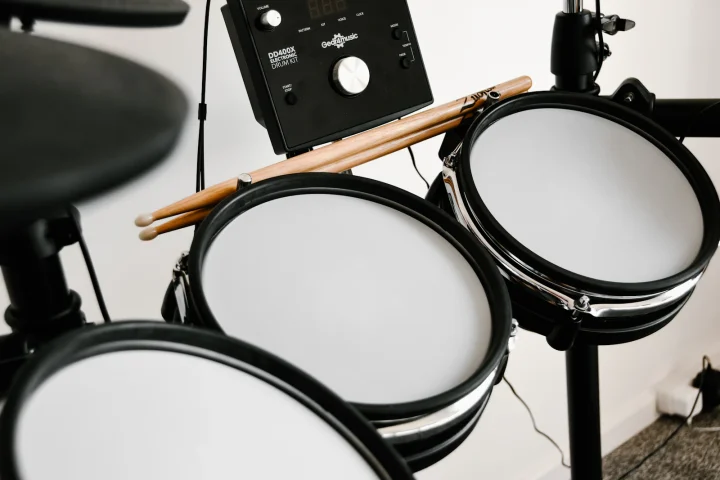
A beginner needs mesh pads, a real kick pedal and a metronome, not hundreds of sounds: here is how to choose and set up a first electronic drum set.
Groove Percussion drum sets are now found mostly second-hand: here is what we could verify about the brand and how to inspect and price a used kit.
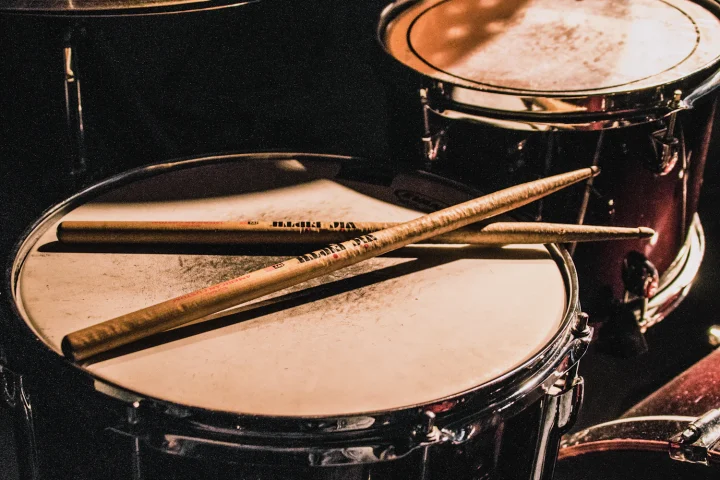
Sound Percussion Labs is the budget drum brand sold only by Guitar Center: here is what its kits include and how they compare on paper with rival kits.
Where to start: the easiest percussion instruments to learn, matched to your space, noise limits and goals.
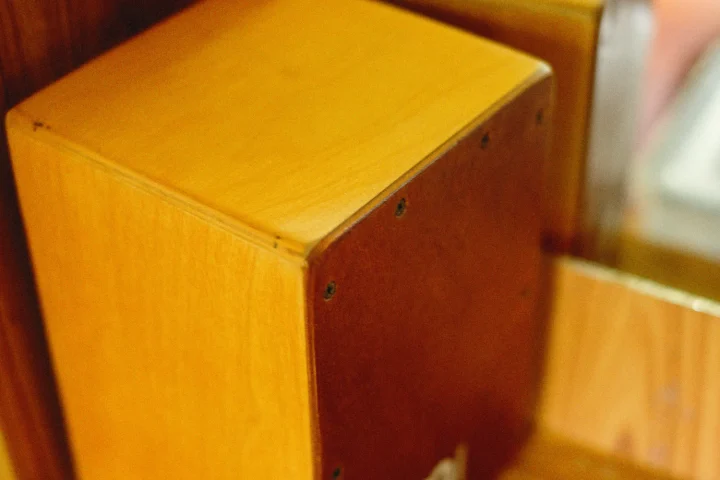
Snare systems, sizes and woods — how to pick a cajon for acoustic sets, small gigs and home practice.
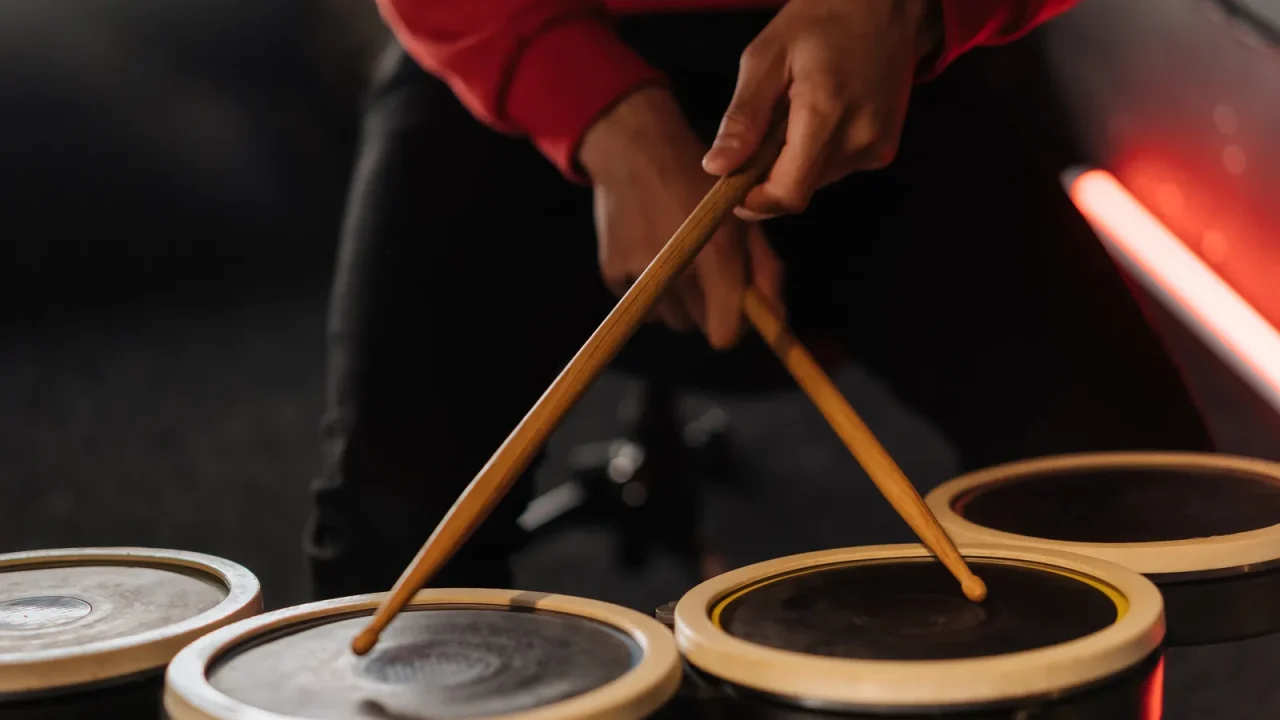
Quiet, portable pads for building stick control — surfaces, sizes and what works in an apartment.
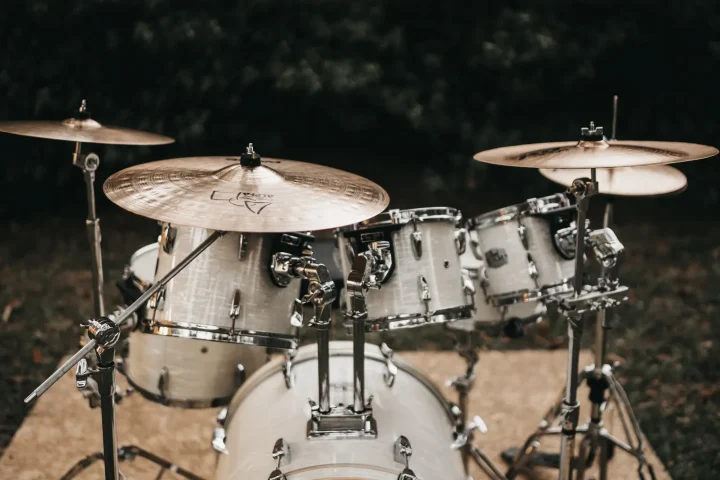
Acoustic or electronic, what a complete kit includes, and how to buy for a child or an adult.
Reviews
A closer look at individual instruments and accessories.
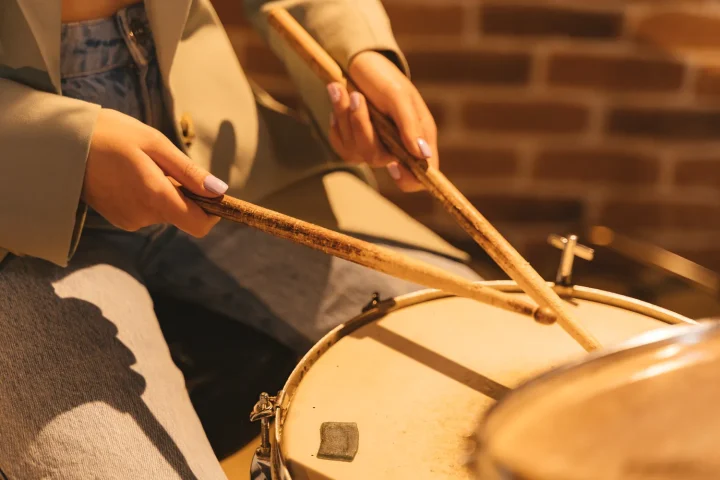
A specifications-based look at the Pearl Roadshow drum set: what each configuration includes, how Jazz, Fusion and Rock differ, and who each one suits.
Instruments
Jump straight to the instrument you are curious about.
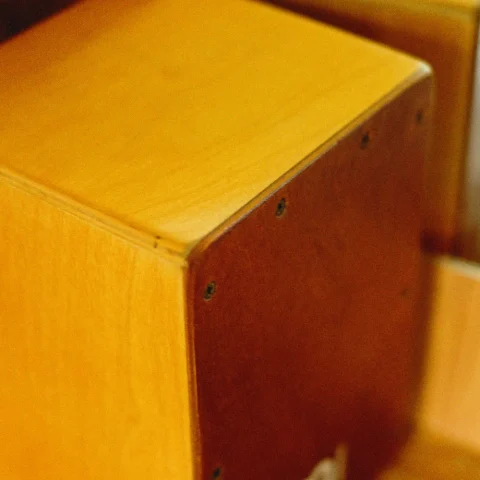
Box drums for acoustic sets and quiet jams
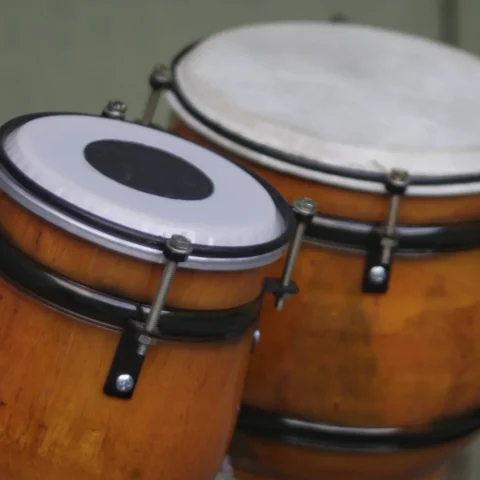
Bright, portable hand drums played as a pair
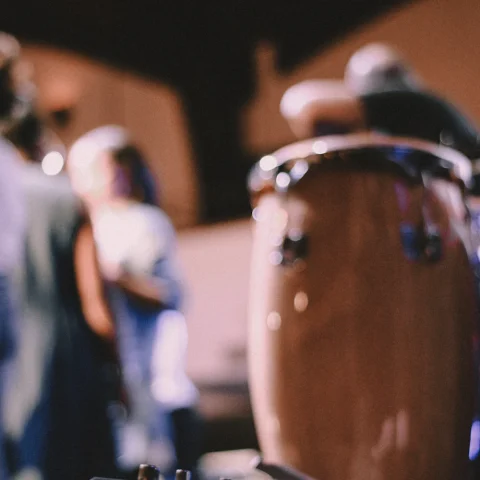
Tall drums at the heart of Latin percussion
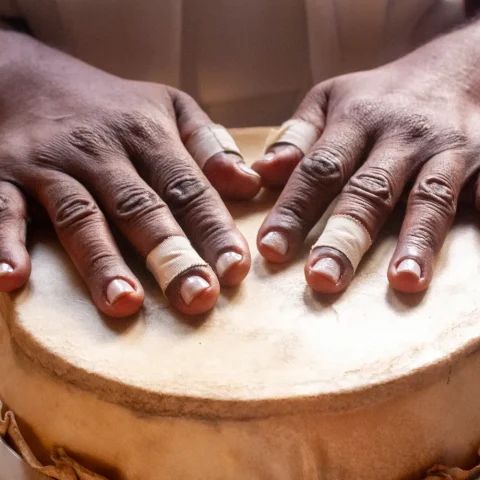
Goblet drums with deep bass and sharp slaps
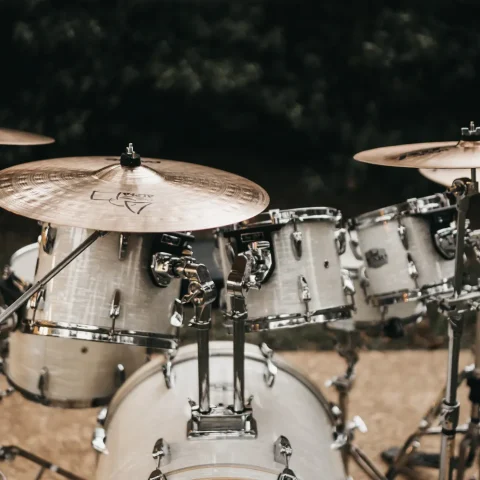
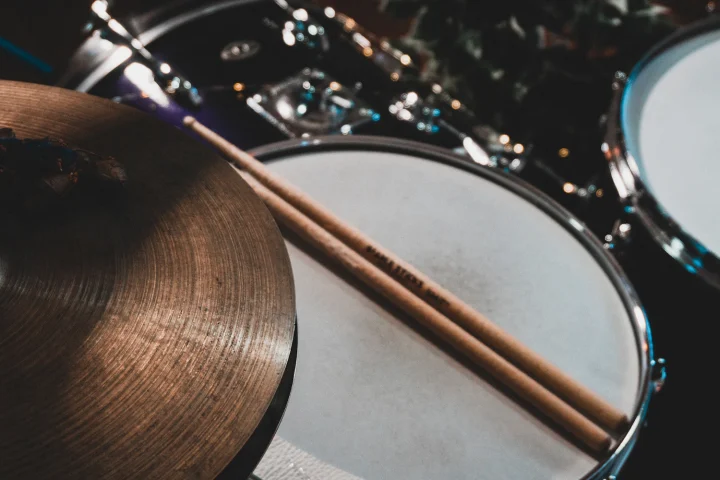
Acoustic and electronic kits for new drummers
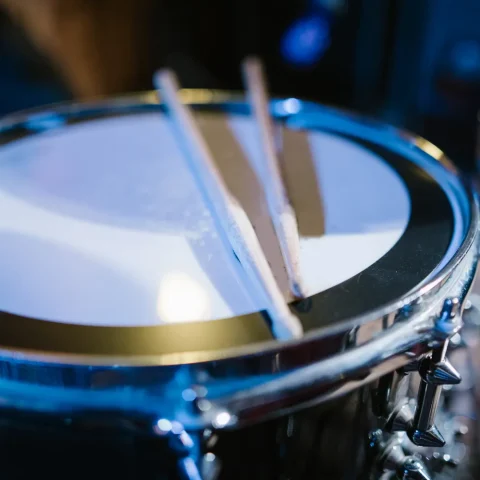
The voice at the centre of every kit and band
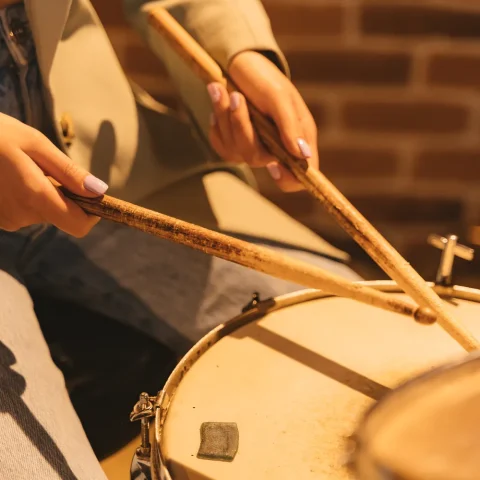
Sizes, tips and woods, decoded
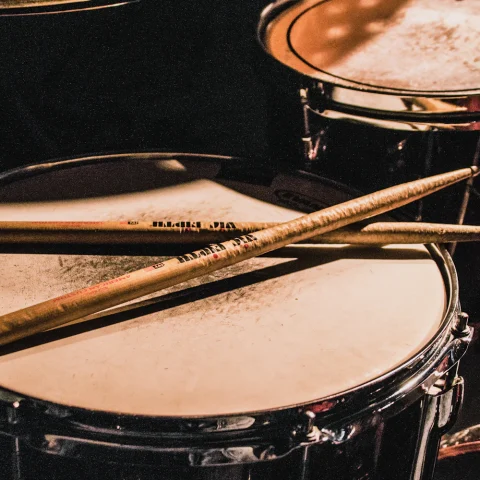
Quiet technique work anywhere
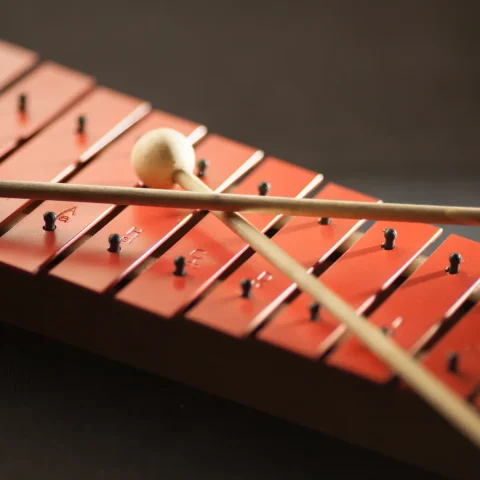
The right mallet for each keyboard and drum
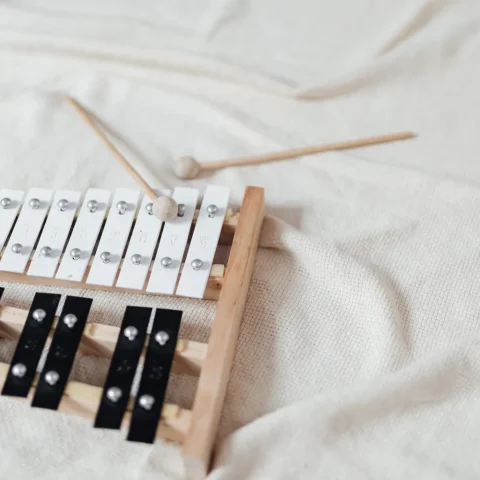
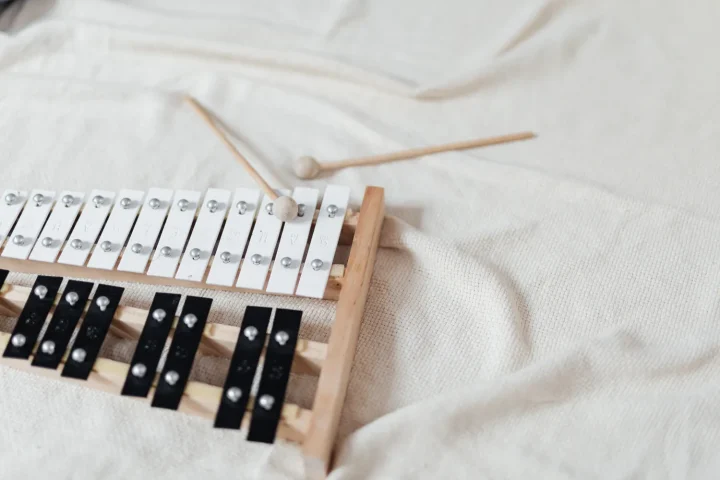
Snare and bell kits for band class
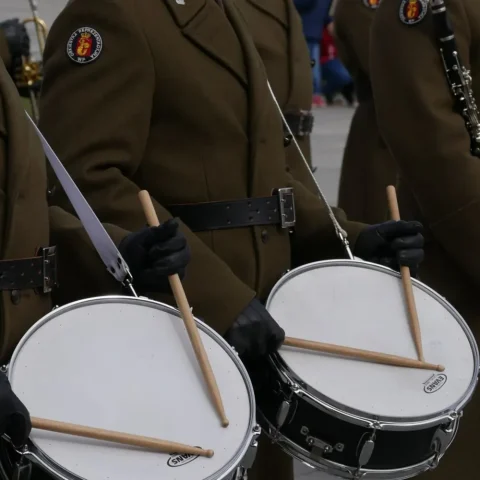
Drumline sticks, pads and carriers
Thrones, keys, bags and other essentials
Compare
How the most common first instruments stack up on noise, space and portability.
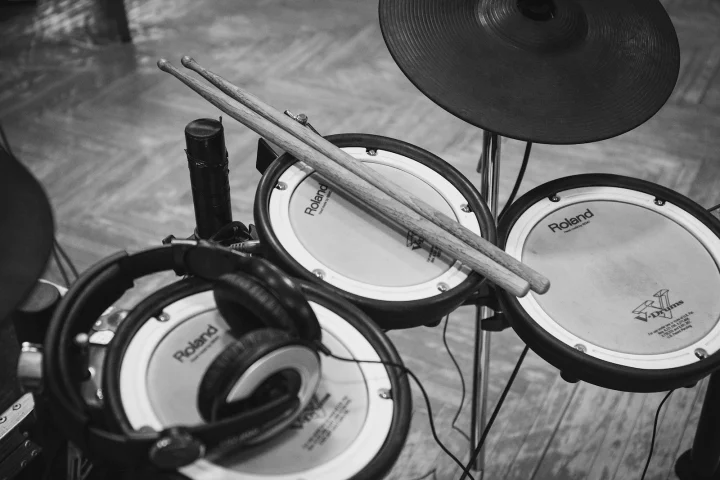
Electronic drums win on noise, space and built-in sounds, while acoustic drums win on feel and live sound: here is how to choose the right kit for your home.
A 4-piece drum set has one rack tom and a 5-piece adds a third tom: here is how that changes sound, space, setup and cost, and which one to buy.
All drums are percussion, but not all percussion instruments are drums: here is the difference, with examples and drummer vs percussionist explained.
| Instrument | Good for | Where it fits | Volume | Portable | Guide |
|---|---|---|---|---|---|
| Practice pad & sticks | Beginner | Apartment, bedroom | Very quiet | Yes | Guide |
| Cajon | Beginner onward | Living room, acoustic gigs | Moderate | Yes | Guide |
| Bongos | Beginner | Almost anywhere | Moderate | Very | Guide |
| Djembe | Beginner onward | Groups, outdoors | Loud | Yes | Guide |
| Congas | Improving players | House, studio | Loud | Not really | Guide |
| Acoustic drum kit | Beginner onward | Garage, basement | Very loud | No | Guide |
| School bell kit | Band students | School and home | Moderate | Yes, in its case | Guide |
A general guide to each type of instrument. Individual models vary.
Learn & improve
Useful even when you are not buying anything. Everything runs in your browser and your data stays on your device.
Five quick questions that map out a percussion path, with matching practice tools and beginner gear.
Tell us about the player, the space and the noise limits, and get a starting instrument that fits.
Turn your goal and your schedule into a realistic weekly practice plan.
Get stick and mallet suggestions by instrument, hand size and style.
Generate original rhythm exercises by difficulty, time signature and style.
Track all 40 essential rudiments with status, tempo and notes, saved privately in your browser.
A free browser metronome with subdivisions, an accented downbeat and tap tempo.
Drag drums and cymbals onto a stage to plan a layout that fits your space and reach.
Pick a setup type and get a printable checklist of everything it needs.
Seven quick checks to run before any loud practice session or rehearsal.
Log sessions, keep a streak going and export your progress.
Stay on top of heads, sticks and hardware with simple reminders.
Tell us about your space, your noise limits and the music you like. The Instrument Match Quiz suggests a starting point in about two minutes.
Fresh
A trap set is an old name for a drum kit, while a trap drum kit is a pack of sounds for making trap music: here is the difference and what to buy.
A specifications-based look at the Pearl Roadshow drum set: what each configuration includes, how Jazz, Fusion and Rock differ, and who each one suits.
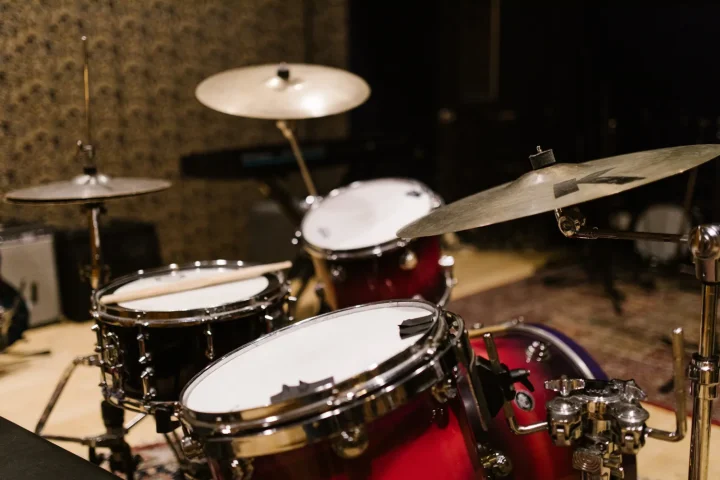
Tuning, heads and the room shape a drum recording more than the price of the kit: here is what to look for in a drum set you plan to record.
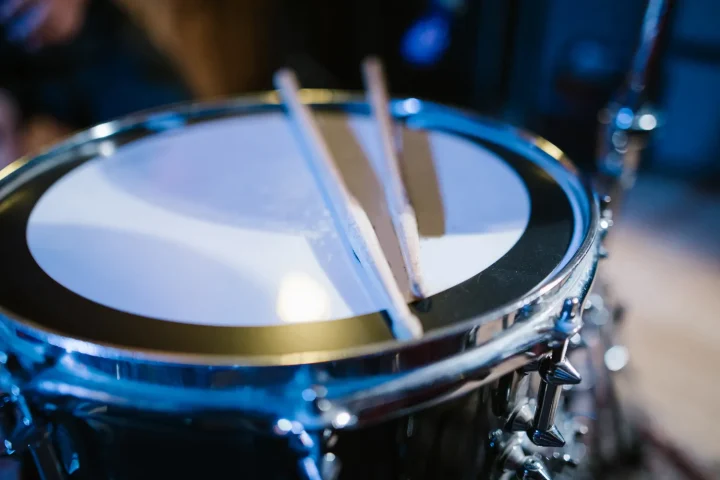
Drum sets cost from under two hundred dollars for a kids' kit to several thousand for professional drums: here is what each level costs and what is in the box.
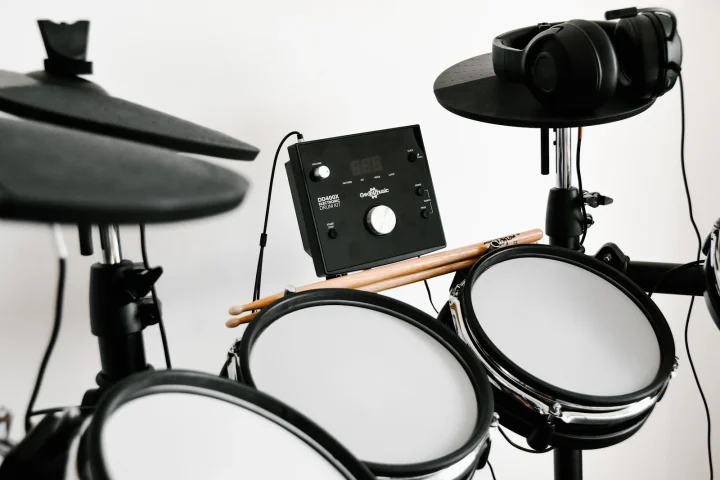
A compact electronic drum kit with a folding rack and mesh pads fits in a bedroom corner: here is what to look for and how to keep floor noise down.
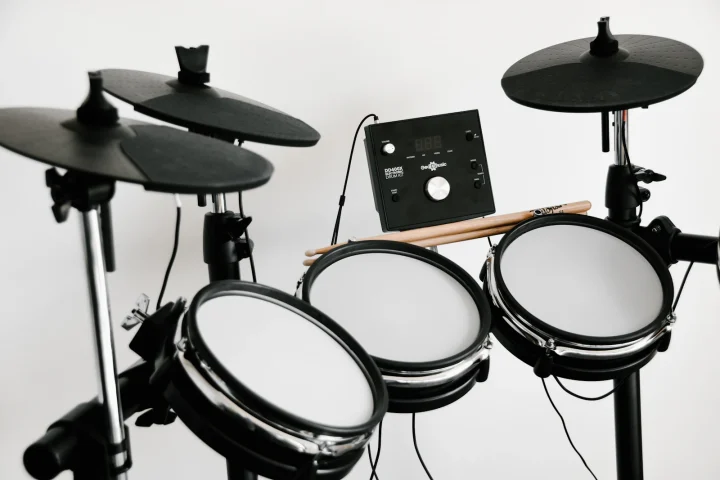
Mesh pads, a real kick pedal and USB are available well under a thousand dollars: here is what each price step buys and what the listings leave out.
Trending
FAQ
The cajon and bongos are the easiest to get a pleasing sound from quickly, because they are played with the hands and need almost no setup. If the drum kit is your goal, a practice pad and a pair of sticks is the best first step.
Yes. A basic groove needs only two sounds, bass and snare, and most people can play one in their first session. It also doubles as a seat.
Usually. Bongos are smaller, cheaper and can be played seated anywhere. Congas need more space and more developed hand technique, but the basic strokes carry over.
A practice pad, bongos, a cajon on a rug and an electronic drum kit with headphones are the most home-friendly options. Acoustic drum kits, congas and djembes are much louder.
For acoustic drum kits, marching percussion and loud rehearsals, yes. Filtered musicians earplugs lower the volume while keeping the sound clear. See a hearing professional about any concerns.
Through affiliate links. As an Amazon Associate, PercussionDream.com earns from qualifying purchases. It does not change the price you pay or what we recommend.
About us
PercussionDream helps drummers, percussionists and beginners understand their options before buying. We are reader-supported, and we would rather tell you what we do not know than pretend.
We link to live listings instead of quoting numbers that go out of date.
We may earn a commission when you buy. It never costs you more.
Our tools save to your browser. Nothing is uploaded.
We flag hearing protection wherever volume is a risk.