Buying guide
Best Percussion Instruments
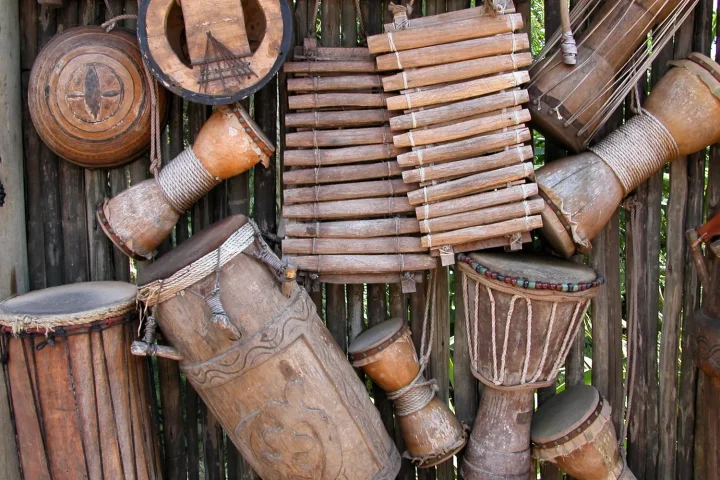
Where to start: the easiest percussion instruments to learn, matched to your space, noise limits and goals.
Collection
Plain-English buying guides for percussion instruments and accessories. Each one explains what actually matters before you spend money, then points you to current options.
Where to start: the easiest percussion instruments to learn, matched to your space, noise limits and goals.
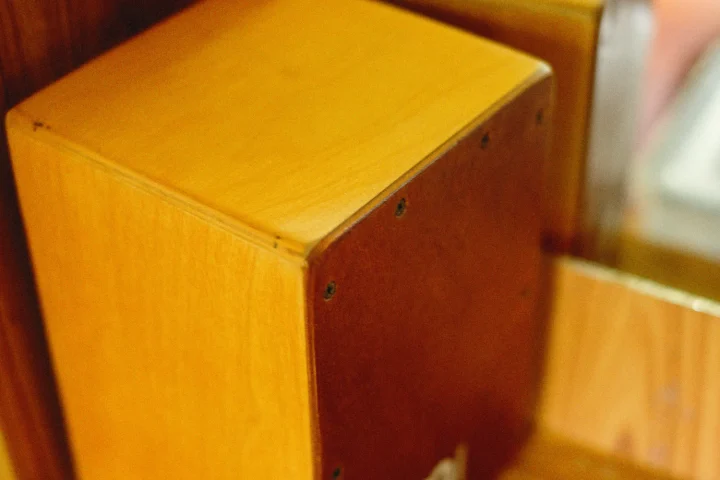
Snare systems, sizes and woods — how to pick a cajon for acoustic sets, small gigs and home practice.
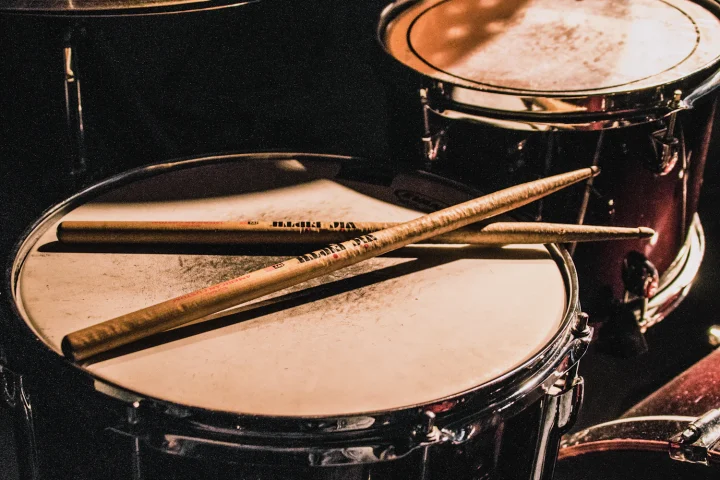
Quiet, portable pads for building stick control — surfaces, sizes and what works in an apartment.
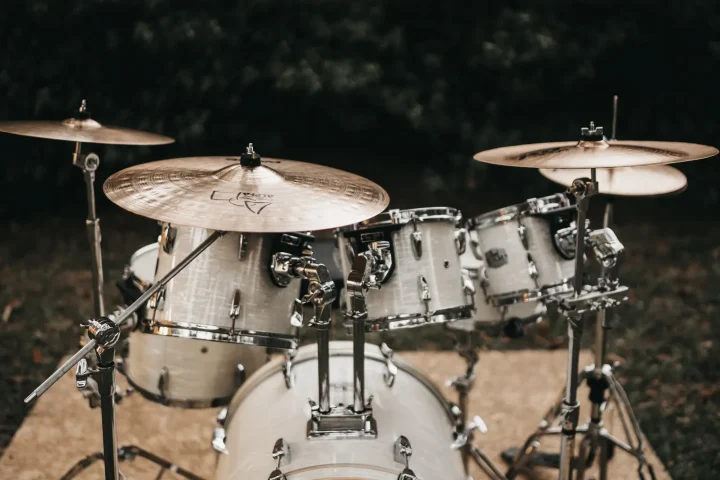
Acoustic or electronic, what a complete kit includes, and how to buy for a child or an adult.
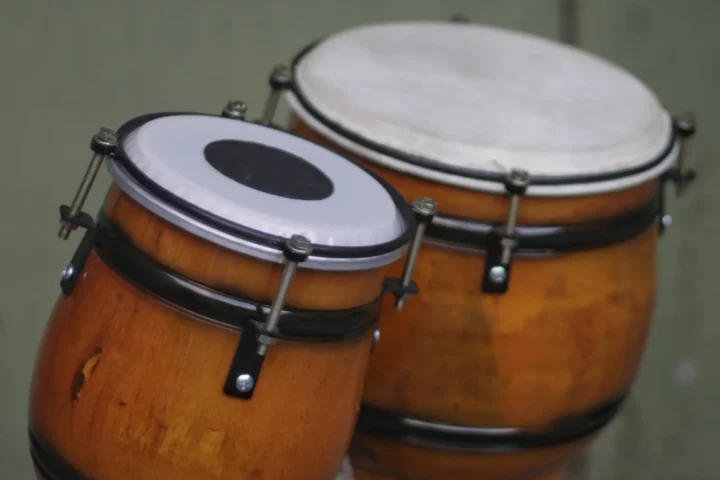
Sizes, shells and heads — what matters when you buy a first pair of bongos.
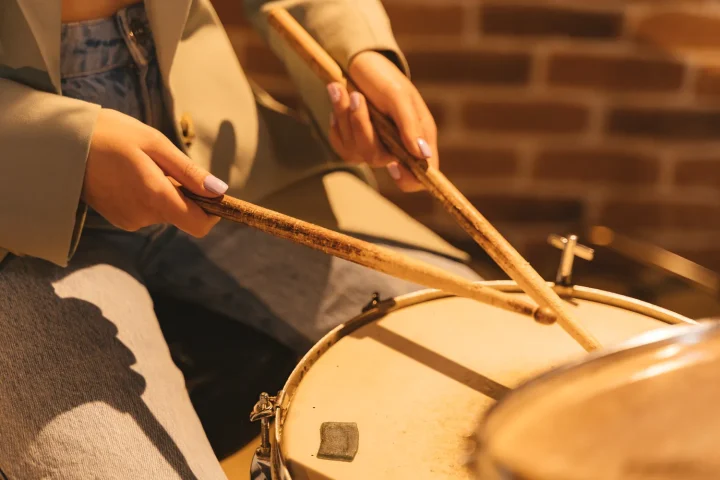
Sizes, tips and woods explained — and why 5A is where most players start.
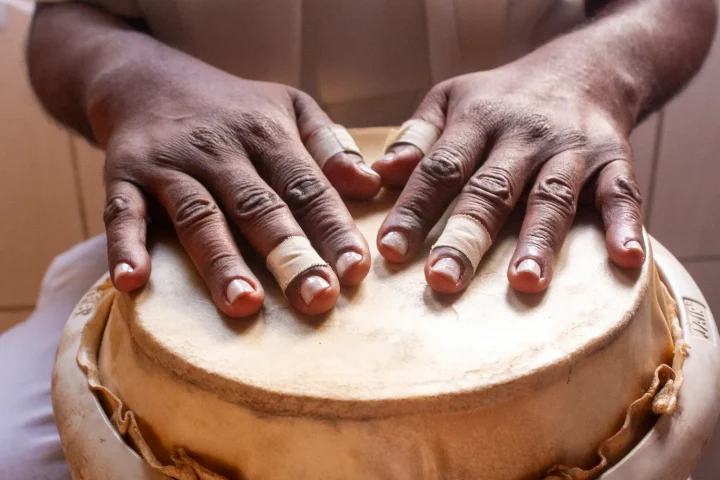
Rope-tuned or key-tuned, natural or synthetic heads — how to choose a djembe that fits you.
Quinto, conga or tumba? Sizes, shells and stands explained for first-time buyers.
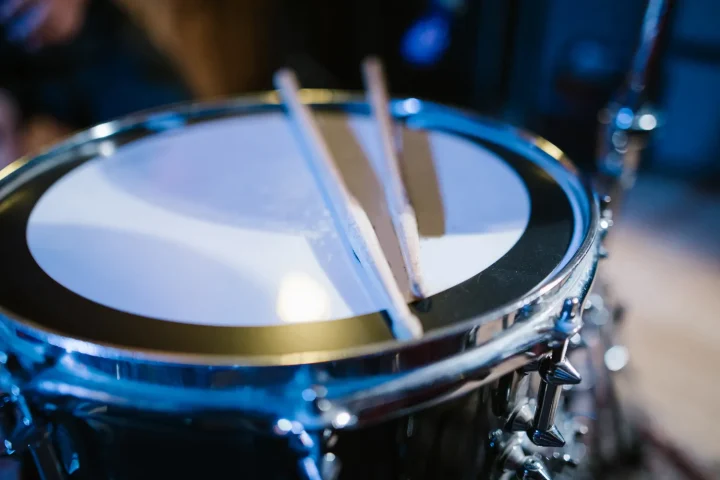
Shell materials, sizes and sound — how to choose a snare for a kit, concert band or school.
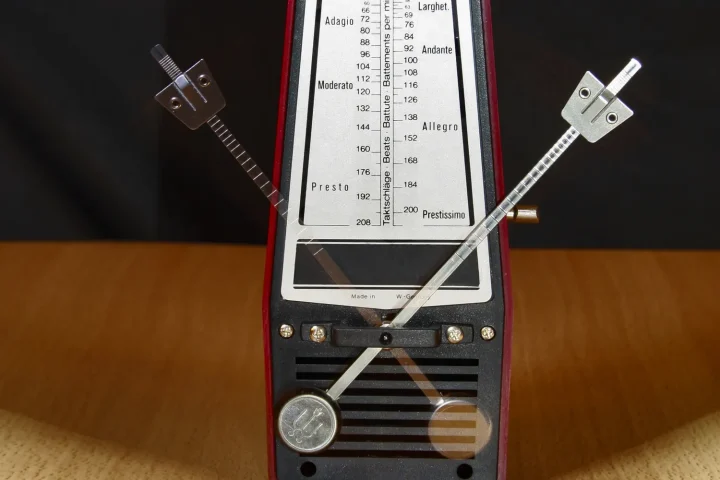
Digital, mechanical or clip-on — how to pick a metronome you can still hear over a drum.
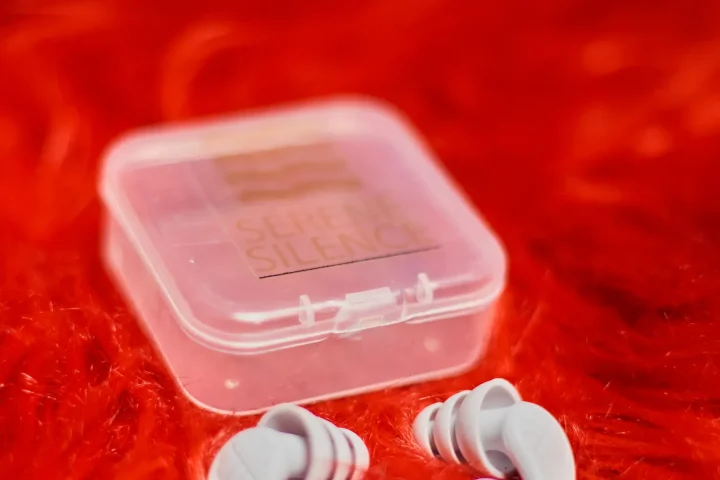
Filtered earplugs turn the volume down without muffling the music. Here is what to look for.
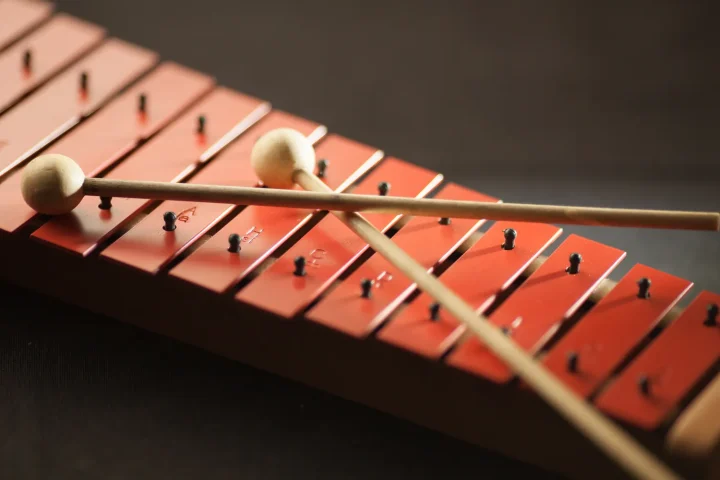
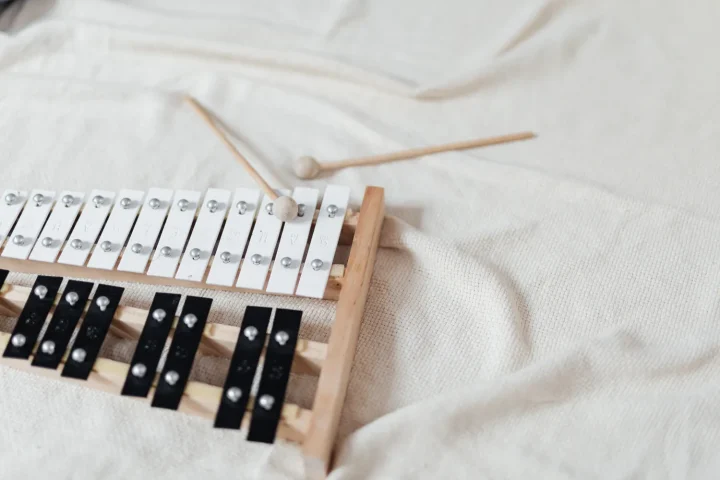
Snare kits, bell kits and combo kits — what band programs ask for and how to choose.
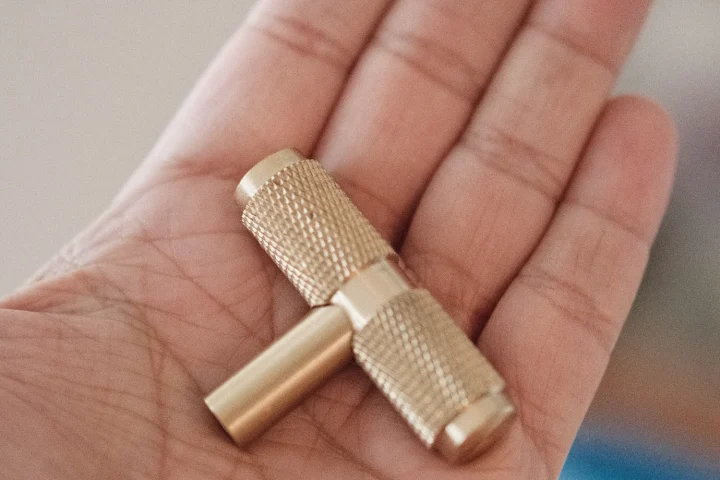
The small things that make practice better: thrones, keys, bags, rugs and more.
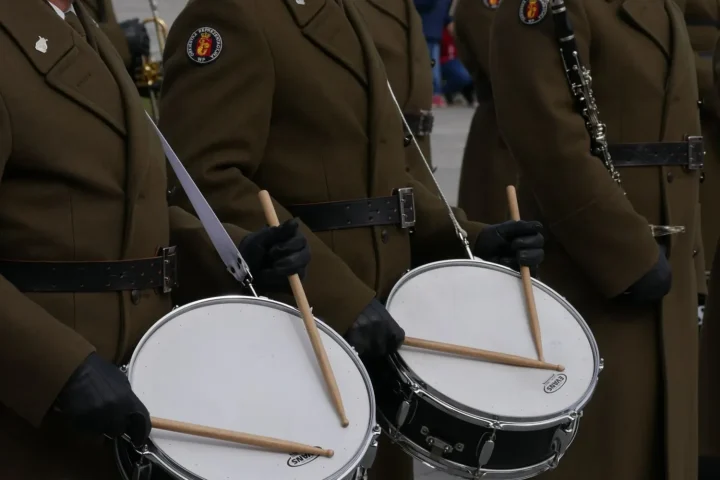
Sticks, pads and carriers for drumline — what students need for practice at home.
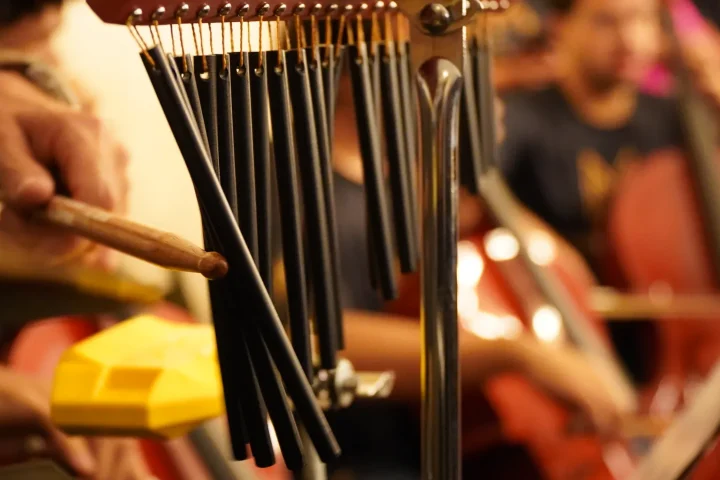
The core concert percussion voices and the accessories students are usually asked to bring.
Five quick questions that map out a percussion path, with matching practice tools and beginner gear.
Tell us about the player, the space and the noise limits, and get a starting instrument that fits.
Turn your goal and your schedule into a realistic weekly practice plan.