Best Snare Drums
Shell materials, sizes and sound — how to choose a snare for a kit, concert band or school.
PercussionDream is reader-supported. When you buy through links on this page we may earn an affiliate commission, at no extra cost to you. How this works
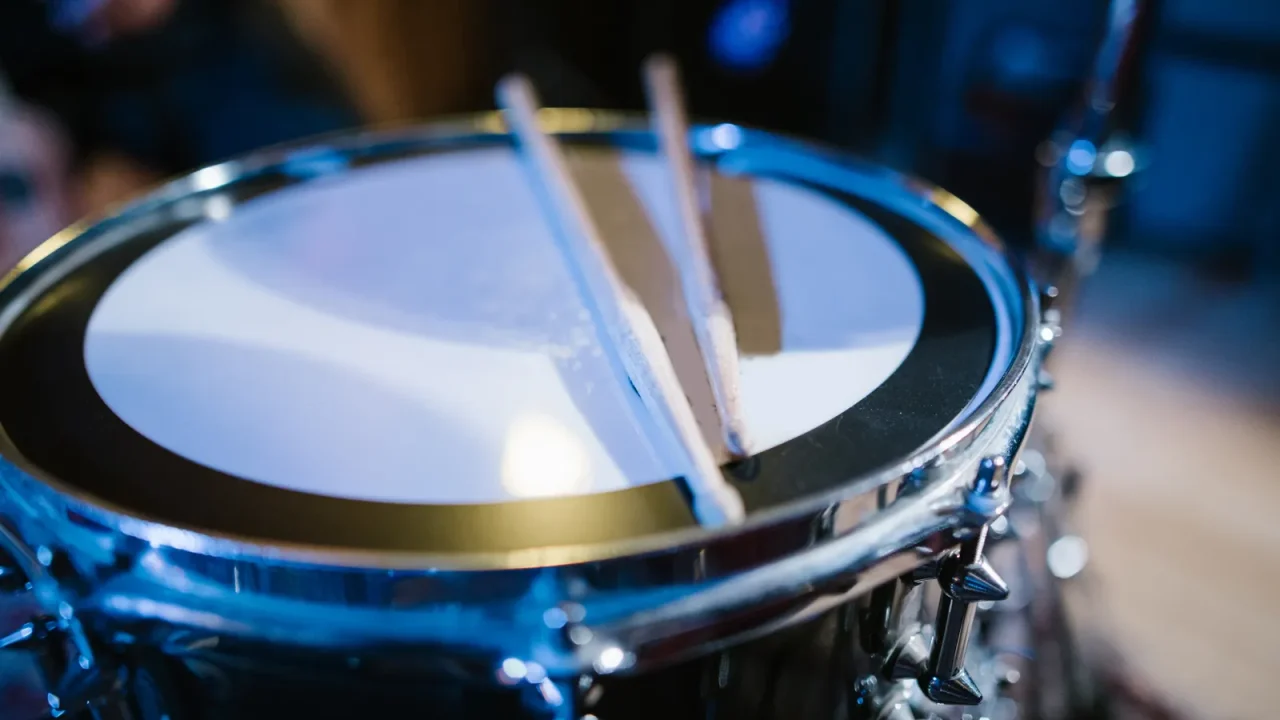
The snare drum is the sharp, cracking voice at the centre of the drum kit and the concert percussion section. Metal wires stretched across the bottom head give it its sound. Whether you are upgrading the snare that came with a kit or buying for school band, a few choices decide how it will sound.
Size
Snare sizes are written as diameter by depth. 14 x 5.5 inches is the standard and suits almost any music. Deeper drums, such as 14 x 6.5, sound fatter and louder. Shallow piccolo snares, around 3 to 3.5 inches deep, give a tight, high crack and are often used as a second snare.
Shell material
Steel is bright, cutting and inexpensive. Brass is warmer and musical with plenty of ring. Aluminium is dry and crisp. Among woods, maple is warm and balanced, birch is brighter and more focused, and poplar is common on budget drums. None is better in absolute terms; they are different voices.
Hardware that matters
The strainer (throw-off) lifts the wires on and off the bottom head; a smooth one is a pleasure to use. Check that the drum comes with a stand if you need one, because most snares are sold on their own.
Kit snare, concert snare or marching snare?
A kit snare and a concert snare are closely related and many drums do both jobs. A marching snare is a different instrument: much deeper, tuned extremely high and built to be carried. Do not buy one for kit or concert use.
Quick comparison
| Shell | Sound | Typical use | Skill level | Our take |
|---|---|---|---|---|
| Steel | Bright, loud, ringing | Rock, pop, all-round | Any | Great value first upgrade |
| Brass | Warm, open, musical | All-round, recording | Any | A classic if budget allows |
| Aluminium | Dry, crisp | Studio, funk | Any | Controlled and easy to record |
| Maple | Warm, balanced | All-round, acoustic | Any | The versatile wood choice |
| Birch | Bright, focused | Live, louder styles | Any | Punchy and clear |
Snare drum types worth a look
These boxes describe types of gear rather than single models. Each button opens live Amazon results, so you see current options, prices and buyer reviews for yourself. We have not bench-tested individual products for this guide. How we choose gear.
14 x 5.5 steel snare
Best for: First upgrades and general kit playing
Bright, loud and forgiving of tuning, a steel snare cuts through any band.
- Cuts through a mix
- Affordable
- Durable
Keep in mind: Can sound harsh until tuned and damped
Affiliate link — we may earn a commission.
Maple or birch wood snare
Best for: Players who want a rounder, more controlled sound
Wood shells soften the attack and give a fuller body.
- Warm, musical tone
- Sits well with acoustic music
- Classic look
Keep in mind: Usually costs more than steel
Affiliate link — we may earn a commission.
Piccolo snare
Best for: Funk, reggae and a second snare voice
A shallow shell gives a tight, high-pitched crack with a quick decay.
- Distinctive sound
- Compact
- Good as a side snare
Keep in mind: Less body; not the most versatile only snare
Affiliate link — we may earn a commission.
Student snare kit
Best for: Beginning band students
Typically bundles a snare, stand, practice pad, sticks and a case, which matches most school supply lists.
- Everything in one case
- Made for carrying to school
- Matches common requirements
Keep in mind: Check the list from your director before buying
Affiliate link — we may earn a commission.
Want the detail? Read our full guide to school percussion kits.
Snare stand
Best for: Anyone buying a snare on its own
A sturdy stand with a basket that grips the drum without choking it.
- Height and angle adjustment
- Folds for transport
- Also holds a 12-inch practice pad
Keep in mind: Check the height range for seated or standing use
Affiliate link — we may earn a commission.
Before you buy: a short checklist
- 14 x 5.5 inches unless you have a reason to choose otherwise
- Metal for brightness and volume, wood for warmth
- Is a stand included?
- For school: match the supply list exactly
- Budget for a drum key and fresh heads in time
Frequently asked questions
What size snare drum should I buy?
A 14 x 5.5 inch snare is the standard and the safest choice. Go deeper for a fatter sound or shallower for a higher, tighter one.
Is a wood or metal snare better?
Neither is better; they sound different. Metal is brighter and louder, wood is warmer. Many drummers end up owning one of each.
What is a piccolo snare?
A shallow snare, usually 3 to 3.5 inches deep, with a tight, high-pitched crack. It is popular as a second snare.
Do I need a new snare if my kit came with one?
Not at first. New heads and careful tuning improve a stock snare a great deal. Upgrade when you know what sound you are missing.
The bottom line
For kit players, a 14 x 5.5 steel or maple snare covers nearly everything. For students, the right snare is the one on the list from your band director. Either way, work on your strokes with the Rudiment Tracker.
You may also like
Best Beginner Drum Kits
Best Drumsticks