Best Marching Percussion
Sticks, pads and carriers for drumline — what students need for practice at home.
PercussionDream is reader-supported. When you buy through links on this page we may earn an affiliate commission, at no extra cost to you. How this works
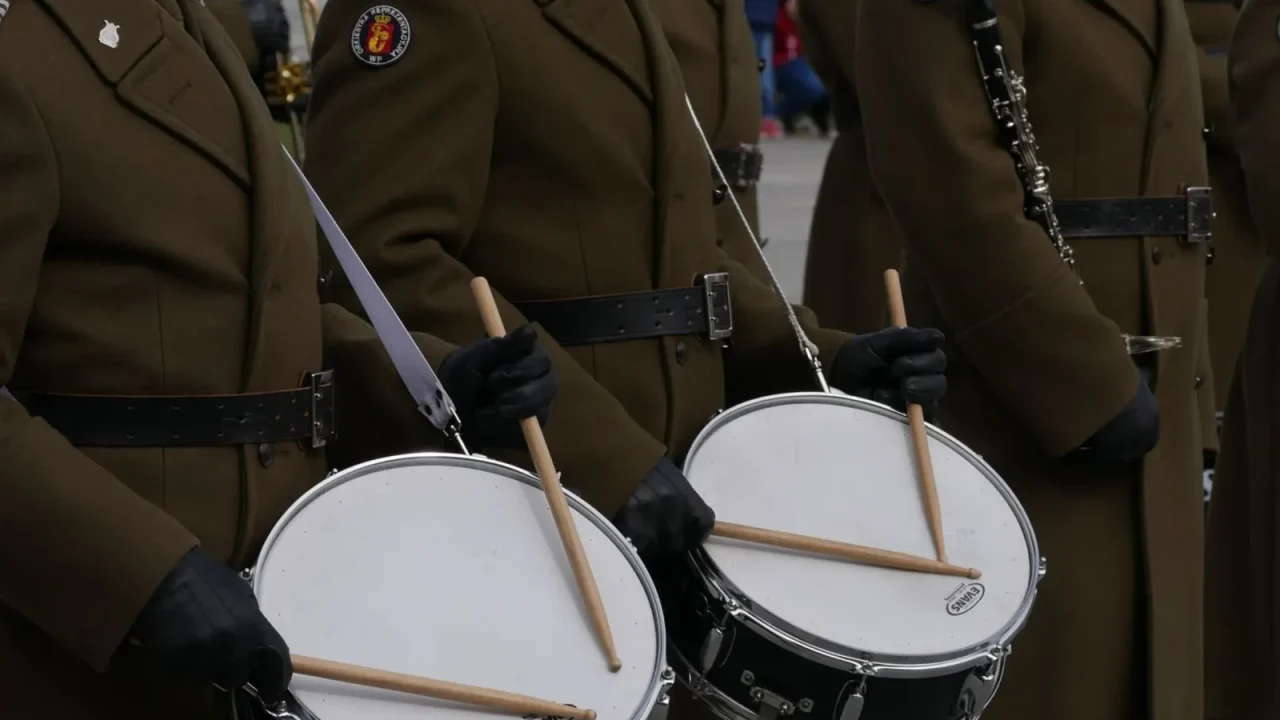
Marching percussion is the drumline (snare drums, tenors, bass drums and cymbals) together with the front ensemble of keyboards and auxiliary percussion. The instruments themselves are expensive and are almost always owned by the school or corps. What students buy is the personal gear they practise with.
Sticks and mallets
Marching snare sticks are thicker, longer and heavier than drum kit sticks, to project outdoors and to suit very tight heads. Tenor players use their own sticks or mallets, and bass drum mallets are sized to the drum. Sections play matched models so that everyone sounds and looks the same, so always buy what your instructor specifies.
Practice pads
Marching heads are tuned far tighter than kit heads. A marching practice pad uses a harder surface, sometimes with a rim for rim shots, to recreate that feel. Tenor players can get pads laid out like their drums.
Tape, carriers and care
White stick tape protects sticks from rim wear and gives a uniform look. Carriers (harnesses) and stands come with the instruments. Keep a drum key and spare tape in your bag.
Hearing
A drumline is one of the loudest places a musician can stand. Filtered earplugs are standard equipment, and many programmes require them.
Quick comparison
| Item | Who needs it | Usually supplied by | Our take |
|---|---|---|---|
| Drums and carriers | Everyone | The programme | Do not buy your own |
| Sticks or mallets | Everyone | The student | Match the section model |
| Practice pad | Snares and tenors | The student | Essential for home practice |
| Stick tape | Snares and tenors | The student | Keep a spare roll |
| Earplugs | Everyone | The student | Wear them at every rehearsal |
Marching gear students usually buy
These boxes describe types of gear rather than single models. Each button opens live Amazon results, so you see current options, prices and buyer reviews for yourself. We have not bench-tested individual products for this guide. How we choose gear.
Marching snare sticks
Best for: Marching snare players
Heavier sticks built for tight heads and outdoor projection.
- Projects outdoors
- Durable
- Builds strength
Keep in mind: Buy the exact model your section uses
Affiliate link — we may earn a commission.
Marching practice pad
Best for: Snare and tenor players
A hard surface that feels like a high-tension marching head.
- Realistic feel
- Quiet enough for home
- Often has a rim
Keep in mind: Louder than a gum-rubber pad
Affiliate link — we may earn a commission.
Want the detail? Read our full guide to practice pads.
Tenor sticks or mallets
Best for: Marching tenor players
Designed for the reach and articulation that tenors need.
- Right weight for tenors
- Clear articulation
- Matched pairs
Keep in mind: Models vary by section; ask first
Affiliate link — we may earn a commission.
Marching bass drum mallets
Best for: Marching bass drummers
Mallet size is matched to bass drum size for an even section sound.
- Matched to drum size
- Durable felt heads
- Balanced feel
Keep in mind: You need the size for your assigned drum
Affiliate link — we may earn a commission.
Stick tape
Best for: Snare and tenor players
Tape extends stick life and gives the line a uniform look.
- Longer stick life
- Uniform appearance
- Inexpensive
Keep in mind: Follow your section for colour and wrap
Affiliate link — we may earn a commission.
Before you buy: a short checklist
- Ask your instructor for exact stick and mallet models
- Get a marching pad, not a soft kit pad
- Tape sticks the way your section does
- Carry filtered earplugs and a spare pair
- Label everything with your name
Frequently asked questions
Do I need to buy my own marching drum?
Almost never. Schools and corps own the drums and carriers. Students buy sticks, a pad and personal accessories.
How are marching sticks different from kit sticks?
They are thicker, longer and heavier, to suit very tight heads and to be heard outdoors.
What practice pad should I use for drumline?
A marching pad with a hard surface, ideally with a rim. Tenor players may prefer a pad laid out like their drums.
How do I protect my hearing in a drumline?
Wear filtered earplugs at every rehearsal and performance. Drumlines are extremely loud at close range.
The bottom line
Buy what your instructor specifies, practise on a proper marching pad, and never rehearse without earplugs. Use the Rudiment Tracker to work through your rudiments between rehearsals.
You may also like
Best Mallets
Best School Percussion Kits