Best Concert Percussion
The core concert percussion voices and the accessories students are usually asked to bring.
PercussionDream is reader-supported. When you buy through links on this page we may earn an affiliate commission, at no extra cost to you. How this works
A concert percussionist is expected to play many instruments: snare drum, bass drum, cymbals, timpani, keyboard percussion and a long list of smaller accessories. Schools and ensembles own the large instruments. Students build a personal stick bag, one piece at a time.
The core stick bag
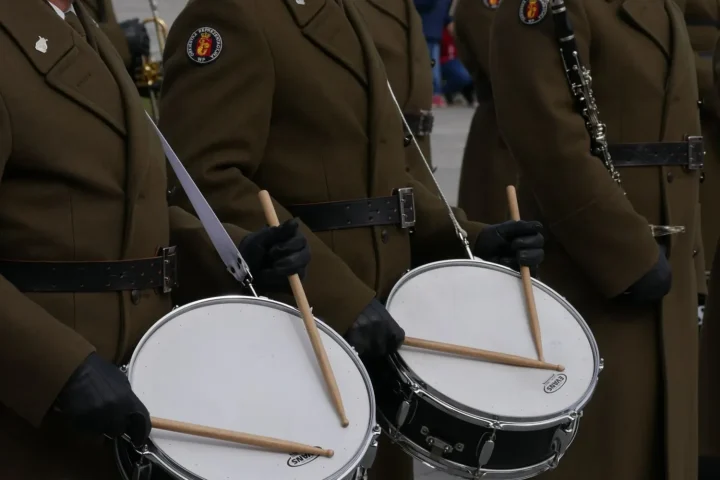
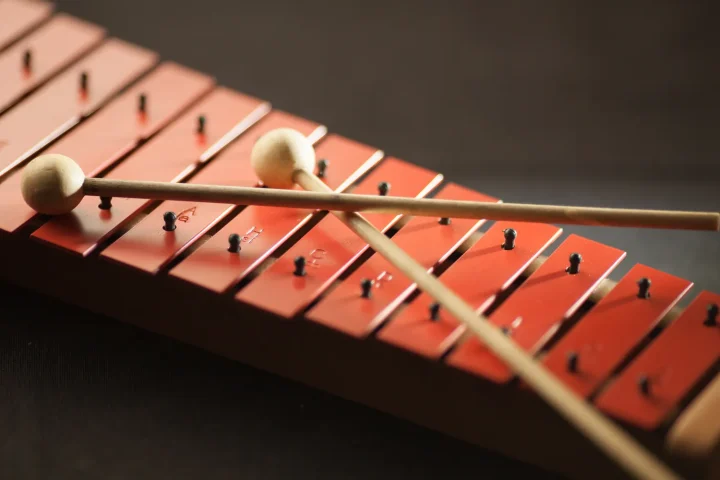
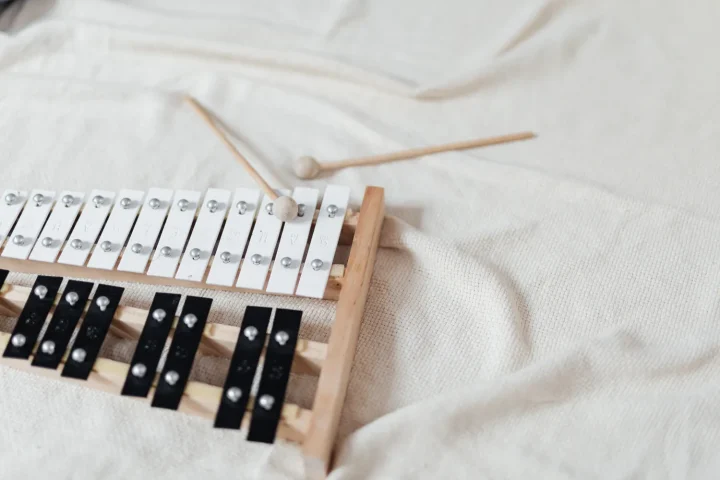
Concert snare sticks are usually a little thicker than kit sticks, with a bead shaped for clear articulation at soft dynamics. Keyboard mallets depend on the instrument: rubber or plastic for bells and xylophone, yarn for marimba. Timpani mallets are felt-covered; a general pair covers most parts.
Accessory instruments
A concert tambourine has a head and a double row of jingles. A triangle needs a clip to hang it from and a metal beater. These are personal instruments that many serious students eventually own, but schools often provide them at first.
Practising at home
Without the large instruments, home practice is mostly done on a practice pad for snare technique and, where possible, on a bell kit or a keyboard for note reading.
Quick comparison
| Item | Used for | Priority | Our take |
|---|---|---|---|
| Concert snare sticks | Snare drum | First | Buy with your teacher’s advice |
| Keyboard mallets | Bells, xylophone, marimba | First | Match the instrument |
| Timpani mallets | Timpani | Soon | A general pair to start |
| Stick bag | Carrying everything | Soon | Worth having early |
| Tambourine, triangle | Accessory parts | Later | Borrow first, buy when ready |
Concert percussion items students usually buy
These boxes describe types of gear rather than single models. Each button opens live Amazon results, so you see current options, prices and buyer reviews for yourself. We have not bench-tested individual products for this guide. How we choose gear.
Concert snare sticks
Best for: Concert and band snare playing
A slightly heavier stick with a bead made for clean, controlled articulation.
- Clear articulation
- Balanced for rolls
- Lasts well
Keep in mind: Different from kit sticks; ask your teacher
Affiliate link — we may earn a commission.
Want the detail? Read our full guide to drumsticks.
Keyboard mallet starter pair
Best for: Students reading keyboard parts
A medium-hard rubber or plastic pair suits bells and xylophone.
- Clear tone
- Inexpensive
- Usually on the supply list
Keep in mind: Not for marimba
Affiliate link — we may earn a commission.
Want the detail? Read our full guide to mallets.
General timpani mallets
Best for: Students starting timpani
A medium felt pair handles most band and orchestra parts.
- Versatile hardness
- Smooth rolls
- A long-term staple
Keep in mind: Keep the felt clean
Affiliate link — we may earn a commission.
Want the detail? Read our full guide to mallets.
Stick and mallet bag
Best for: Every percussionist
Holds every pair you own and hangs on an instrument or stand.
- Organised
- Protects mallet heads
- Room to grow
Keep in mind: Label it clearly
Affiliate link — we may earn a commission.
Concert tambourine
Best for: Intermediate students and ensemble players
A headed tambourine with a double row of jingles is the orchestral standard.
- Proper orchestral sound
- Allows rolls and thumb rolls
- Lasts for years
Keep in mind: Schools often supply one at first
Affiliate link — we may earn a commission.
Triangle with beater and clip
Best for: Students building a personal accessory set
A good triangle rings with a clear, shimmering tone, and the clip matters as much as the instrument.
- Clear ring
- Clip keeps hands off the metal
- Compact
Keep in mind: Cheap triangles can sound dull
Affiliate link — we may earn a commission.
Before you buy: a short checklist
- Ask what the school already provides
- Buy sticks and mallets your teacher recommends
- Get a bag before you own more than two pairs
- Practise snare technique daily on a pad
- Add accessories as your parts require them
Frequently asked questions
What do I need for concert percussion at school?
Usually concert snare sticks, a pair of keyboard mallets, a practice pad and a stick bag. Your band director will have a list.
How are concert snare sticks different?
They tend to be slightly thicker and heavier than kit sticks, with a bead designed for clear, even notes at quiet volumes.
Do I need my own timpani mallets?
Not on day one, but they are one of the first things serious students buy, because the felt heads are personal and wear with use.
What kind of tambourine is used in concert band?
A headed tambourine with a double row of jingles. Headless tambourines are for pop and rock.
The bottom line
Build your bag slowly and buy with your teacher’s guidance. Our Stick & Mallet Finder can help you narrow down the first few pairs.
You may also like
Best Mallets
Best School Percussion Kits