PercussionDream is reader-supported. When you buy through links on this page we may earn an affiliate commission, at no extra cost to you. How this works
With mallets, the rule is simple: match the mallet to the instrument. The wrong mallet does not just sound wrong; a hard mallet can damage the bars of a marimba or xylophone. This guide explains which type goes with which instrument.
Keyboard percussion
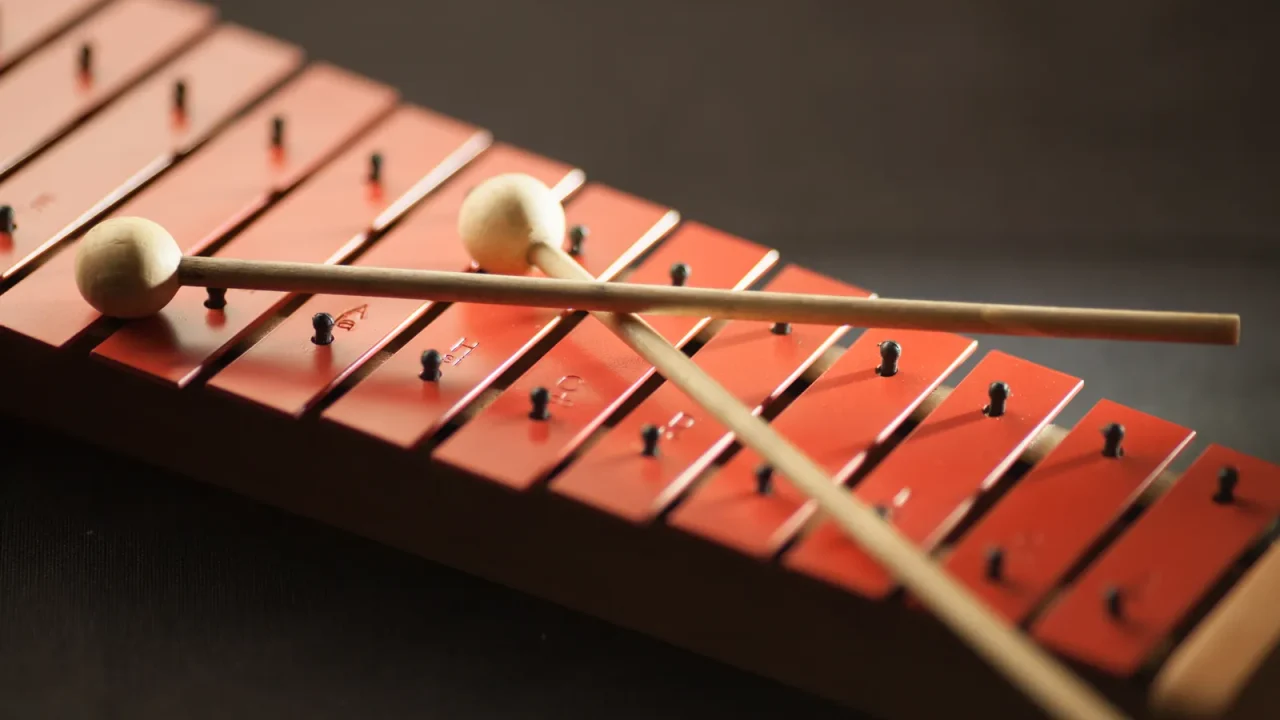
Marimba: yarn-wrapped mallets, from soft (for the low register) to hard (for the top). Vibraphone: cord-wrapped mallets, which stand up to metal bars. Xylophone: hard rubber or plastic mallets for a bright, short note. Glockenspiel and bell kits: hard plastic or rubber; brass mallets are only for steel orchestra bells and only when the music asks for them.
Never use hard plastic or brass mallets on a marimba, and use hard mallets on a xylophone with care in the low register. Wooden bars can crack.
Timpani and drums
Timpani mallets have felt-covered heads in a range of hardnesses; a general or medium pair covers most student music. Concert bass drum and gong mallets are large and soft and are usually supplied by the school or ensemble.
Shafts
Birch shafts are stiff and precise. Rattan shafts are flexible and are popular for vibraphone and four-mallet playing. Fibreglass and plastic shafts are durable and common on student mallets.
Quick comparison
| Instrument | Mallet type | Why | Avoid | Our take |
|---|---|---|---|---|
| Marimba | Yarn-wrapped | Warm tone, safe on wood | Hard plastic, brass | Start with medium |
| Vibraphone | Cord-wrapped | Durable on metal bars | Very hard unwrapped mallets | Start with medium |
| Xylophone | Hard rubber or plastic | Bright, short note | Brass | Medium-hard for students |
| Bells / glockenspiel | Hard plastic or rubber | Clear, ringing note | Yarn (too soft to speak) | Follow the band list |
| Timpani | Felt-covered | Round tone, smooth rolls | Anything unwrapped | A general pair first |
Mallet types worth a look
These boxes describe types of gear rather than single models. Each button opens live Amazon results, so you see current options, prices and buyer reviews for yourself. We have not bench-tested individual products for this guide. How we choose gear.
Bell kit mallets
Best for: Students with a school bell kit
A medium-hard rubber or plastic pair gives a clear note on small metal bars.
- Right hardness for bells
- Inexpensive
- Often required for band class
Keep in mind: Too hard for marimba
Affiliate link — we may earn a commission.
Want the detail? Read our full guide to school percussion kits.
Medium yarn marimba mallets
Best for: Marimba students
A medium pair covers most of the instrument and most student repertoire.
- Warm, full tone
- Safe on wooden bars
- Versatile hardness
Keep in mind: You will add soft and hard pairs later
Affiliate link — we may earn a commission.
Medium cord vibraphone mallets
Best for: Vibraphone students and jazz players
Cord wrapping is durable on metal bars and gives a clear attack.
- Clear articulation
- Durable on metal
- Also usable on marimba
Keep in mind: Slightly brighter than yarn
Affiliate link — we may earn a commission.
General timpani mallets
Best for: Students starting timpani
A medium felt pair handles rolls and rhythmic passages in most band music.
- Covers most parts
- Balanced feel
- A long-term staple
Keep in mind: Keep the felt clean and never touch it with your fingers
Affiliate link — we may earn a commission.
Mallet bag
Best for: Anyone with more than two pairs
Keeps wrapped heads clean and stops them being crushed in a backpack.
- Protects yarn and felt
- Hangs on an instrument
- Room for sticks too
Keep in mind: Choose a size with space to grow
Affiliate link — we may earn a commission.
Before you buy: a short checklist
- Know which instrument the mallets are for
- Medium hardness for a first pair
- Check the list from your teacher or band director
- Store wrapped mallets in a bag, heads protected
- Never use hard mallets on low marimba bars
Frequently asked questions
Can I use marimba mallets on a vibraphone?
You can, but yarn wears quickly on metal bars and can sound dull. Cord-wrapped mallets are made for the job.
Can I use xylophone mallets on a marimba?
No. Hard plastic or rubber mallets can dent or crack marimba bars, especially in the low register.
Are birch or rattan shafts better?
Birch is stiffer and feels precise; rattan flexes and many players prefer it for vibraphone and four-mallet work. It is a matter of feel.
How many mallets do I need?
Start with one pair for each instrument you play. Four-mallet technique comes later and usually needs matched sets.
The bottom line
Buy the one pair your current music needs, look after it, and add hardnesses as your parts demand them. If you are in a school programme, the list from your band director always comes first.
You may also like
Best School Percussion Kits
Best Marching Percussion