Best Metronomes
Digital, mechanical or clip-on — how to pick a metronome you can still hear over a drum.
PercussionDream is reader-supported. When you buy through links on this page we may earn an affiliate commission, at no extra cost to you. How this works
Good time is the most valuable skill a percussionist has, and a metronome is how you build it. The difficulty for drummers is volume: a click that is fine for a guitarist disappears behind a drum kit. This guide covers the types and what to look for.
Types of metronome
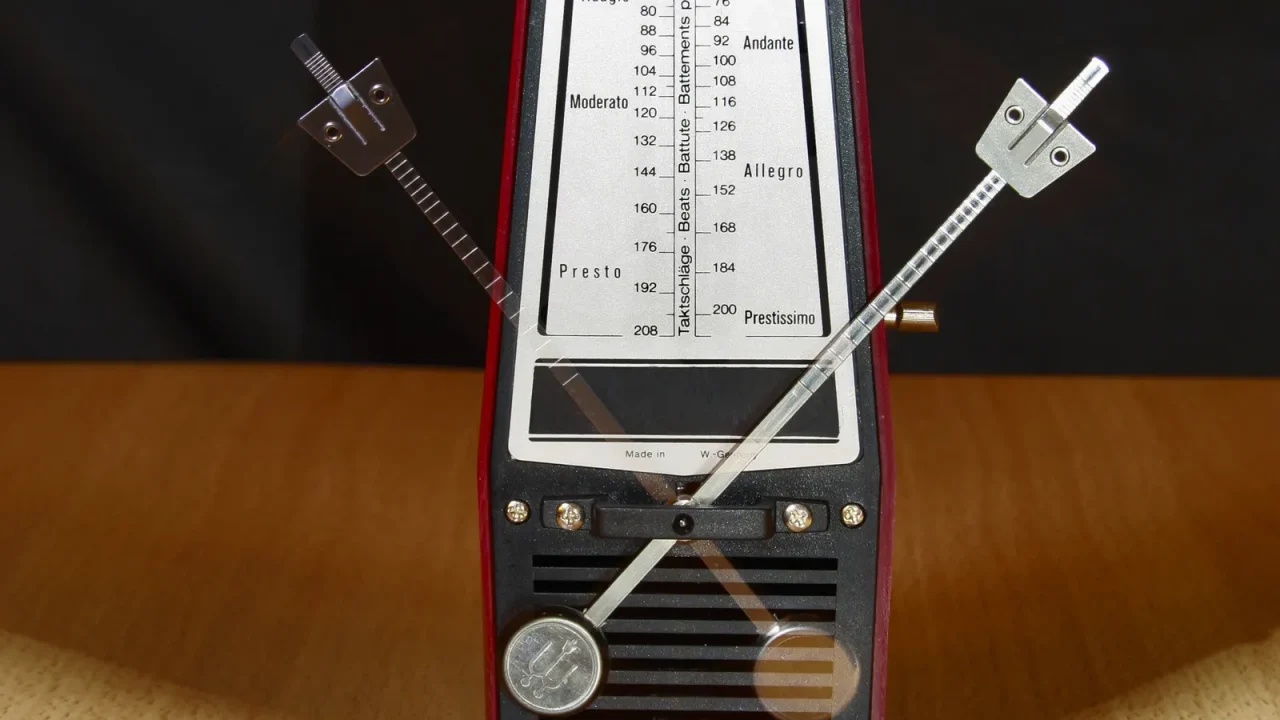
Digital metronomes are compact and offer tempo, time signature, subdivisions, tap tempo and usually a headphone jack. Mechanical metronomes use a wind-up pendulum; they need no batteries and give a strong visual cue, but they are quieter and have fewer features. Wearable metronomes pulse against your skin so you feel the beat. Apps and browser tools cost nothing and are fine for pad practice.
Features that help drummers
A headphone output so the click is audible at the kit. Subdivisions (eighths, triplets, sixteenths) so you can check the notes between the beats. An accent on beat one to keep your place in the bar. Tap tempo to find the speed of a song quickly.
Hearing the click safely
Turning the click up until it beats the drums is hard on your ears. Isolating headphones or in-ear monitors block some of the drum sound so the click can stay at a moderate level.
Quick comparison
| Type | Loud enough for a kit? | Features | Best for | Our take |
|---|---|---|---|---|
| Digital with headphone out | Yes, with headphones | Subdivisions, accents, tap | Drummers | The practical choice |
| Mechanical | No | Tempo only | Pad and classroom | Lovely, but limited |
| Wearable | Felt, not heard | Varies | Stage and silent practice | A niche favourite |
| App or browser tool | With headphones | Varies | Getting started | Free and good enough to begin |
Metronome options worth a look
These boxes describe types of gear rather than single models. Each button opens live Amazon results, so you see current options, prices and buyer reviews for yourself. We have not bench-tested individual products for this guide. How we choose gear.
Digital metronome with headphone output
Best for: Kit practice and lessons
Subdivisions, accents and a headphone jack cover everything a drummer needs.
- Audible at the kit through headphones
- Subdivisions and accents
- Pocket sized
Keep in mind: Small speakers are quiet on their own
Affiliate link — we may earn a commission.
Mechanical metronome
Best for: Pad practice and teaching rooms
A swinging pendulum is easy to follow by eye and never needs charging.
- Visual pendulum
- No batteries
- Pleasant, natural click
Keep in mind: Too quiet for a drum kit; must sit level
Affiliate link — we may earn a commission.
Wearable vibrating metronome
Best for: Players who dislike a click in their ears
A silent pulse on your wrist or body keeps time without adding sound.
- Silent to others
- No headphones needed
- Useful on stage
Keep in mind: Takes some getting used to
Affiliate link — we may earn a commission.
Isolation headphones
Best for: Acoustic kit players using a click or tracks
Closed, isolating headphones cut the drum volume so the click can stay at a sensible level.
- Lower overall volume at your ears
- Clearer click
- Useful for play-alongs
Keep in mind: Not a substitute for proper hearing protection in loud rooms
Affiliate link — we may earn a commission.
Want the detail? Read our full guide to hearing protection.
Before you buy: a short checklist
- A headphone output if you play a kit
- Subdivisions and an accent on beat one
- A tempo range that goes slow enough (40 bpm or lower)
- Tap tempo for learning songs
- Isolating headphones for acoustic drums
Frequently asked questions
Is a phone app good enough?
For pad practice, yes. At a drum kit you will need headphones to hear it, and a dedicated metronome avoids the distraction of notifications.
What tempo should I practise at?
Slow enough to play the pattern cleanly and relaxed, which is often between 60 and 80 beats per minute for new material. Raise the tempo in small steps only when it feels easy.
What are subdivisions?
The smaller notes between the main beats, such as eighth notes, triplets and sixteenths. Hearing them clicked helps you place every note accurately.
Do I need a metronome if I play in a band?
Yes. Practising with a click at home is what makes your time steady when there is no click on stage.
The bottom line
Use whatever gets you practising with a click today. Our Metronome Trainer is free and runs in your browser; add a digital metronome with a headphone output when you move to a kit, and plan your sessions with the Practice Time Calculator.
You may also like
Best Practice Pads
Best Musicians Earplugs