Best Musicians Earplugs
Filtered earplugs turn the volume down without muffling the music. Here is what to look for.
PercussionDream is reader-supported. When you buy through links on this page we may earn an affiliate commission, at no extra cost to you. How this works
Drums and cymbals are loud enough to damage hearing, and hearing damage does not heal. The US National Institute for Occupational Safety and Health recommends keeping average exposure at or below 85 decibels over eight hours, and the safe time halves with every 3 decibels above that. A drum kit can be far louder than that at the player’s ears.
The fix is simple and inexpensive. This guide explains the options. It is general information, not medical advice.
Types of hearing protection
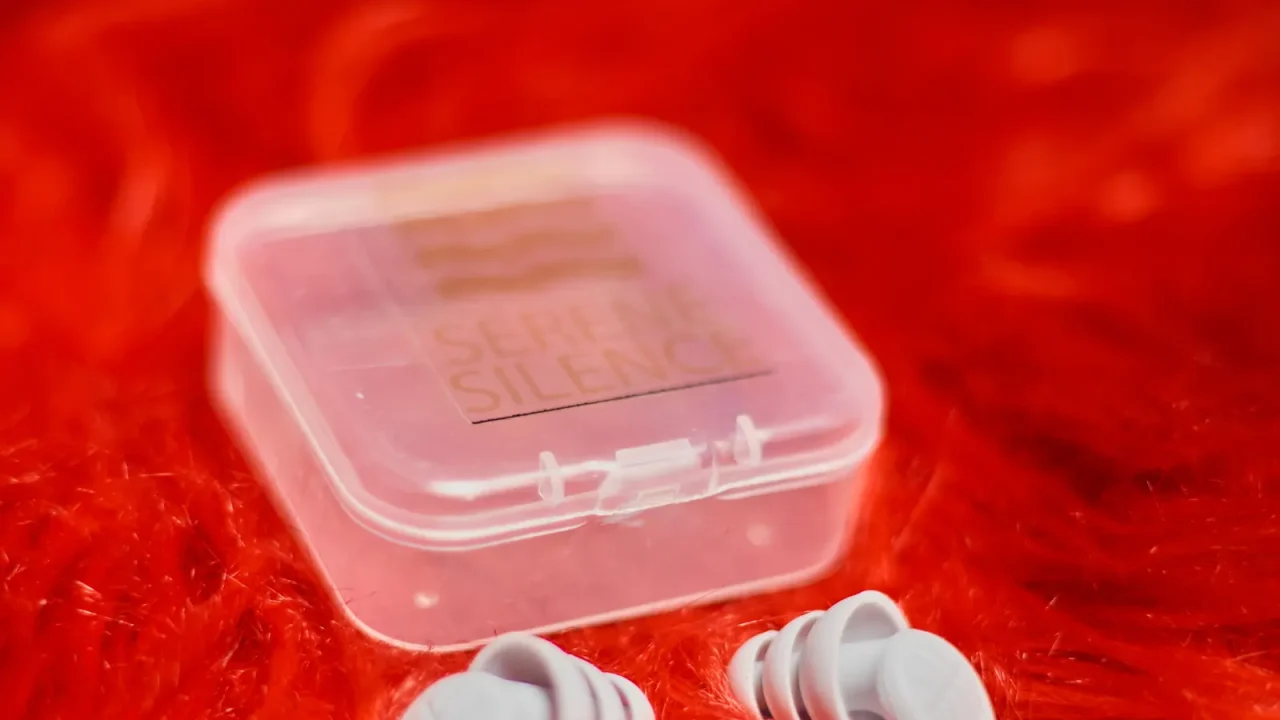
Foam earplugs are cheap and block the most sound when fitted correctly, but they cut high frequencies more than lows, so music sounds muffled. Filtered earplugs use a small acoustic filter to reduce volume more evenly, so you can still hear detail. Custom-moulded earplugs are made from an impression of your ear by a hearing professional; they are the most comfortable for long sessions and often take interchangeable filters. Earmuffs are quick to put on and suit children and casual listeners.
Understanding the ratings
In the United States, hearing protection carries a Noise Reduction Rating (NRR) measured in a laboratory. Real-world protection is usually lower than the number on the pack and depends heavily on fit. A plug that is comfortable enough to wear every time protects you better than a higher-rated one left in its case.
Fit is everything
An earplug that does not seal does very little. Many filtered earplugs come with several tip sizes; try them all. With foam plugs, roll the plug thin, insert it and hold it while it expands.
Quick comparison
| Type | Sound quality | Reusable | Best for | Our take |
|---|---|---|---|---|
| Filtered earplugs | Clear | Yes | Regular playing | What most drummers should carry |
| Foam earplugs | Muffled | No | Maximum reduction, spares | Keep a few in your stick bag |
| Custom-moulded | Clearest | Yes | Frequent players | Ask an audiologist |
| Earmuffs | Muffled | Yes | Children | Easiest to fit on small ears |
Hearing protection worth a look
These boxes describe types of gear rather than single models. Each button opens live Amazon results, so you see current options, prices and buyer reviews for yourself. We have not bench-tested individual products for this guide. How we choose gear.
Filtered high-fidelity earplugs
Best for: Drum kit, rehearsals, lessons and concerts
A filter lowers the volume while keeping music clear, so you are more likely to keep them in.
- Music stays clear
- Reusable
- Usually include a carry case
Keep in mind: Less reduction than well-fitted foam
Affiliate link — we may earn a commission.
Foam earplugs
Best for: Very loud rooms and backup pairs
When fitted properly, foam blocks more sound than most reusable plugs.
- High reduction
- Very cheap
- Sold in bulk
Keep in mind: Muffled sound; single use
Affiliate link — we may earn a commission.
Kids earmuffs
Best for: Young drummers and children at rehearsals or gigs
Earmuffs sized for children are easy to fit correctly and hard to lose.
- Simple to put on
- Adjustable headband
- No small parts in the ear
Keep in mind: Bulky; check the stated age range
Affiliate link — we may earn a commission.
Isolation headphones
Best for: Drummers practising with a metronome or tracks
Closed headphones reduce drum volume and let you keep the click or music at a moderate level.
- Hear the click clearly
- Reduce outside sound
- Comfortable for long practice
Keep in mind: Protection depends on keeping the playback volume sensible
Affiliate link — we may earn a commission.
Want the detail? Read our full guide to metronomes.
Before you buy: a short checklist
- Choose protection you will actually wear every time
- Try every tip size for a proper seal
- Keep a spare pair in your stick bag
- Take breaks during long sessions
- Ringing or muffled hearing after playing is a warning: see a professional
Frequently asked questions
Do drummers really need ear protection?
Yes. Drum kits, marching percussion and rehearsal rooms regularly exceed the levels considered safe for extended exposure, and hearing loss from noise is permanent.
Will earplugs ruin the sound?
Foam plugs make music sound dull. Filtered earplugs are designed to turn the volume down more evenly, so the music still sounds like music.
What does NRR mean?
Noise Reduction Rating, a laboratory figure printed on hearing protection sold in the United States. Real-world reduction is usually lower and depends on how well the protector fits.
Are foam earplugs OK for drumming?
They protect well when fitted correctly. The drawback is muffled sound, which leads some players to take them out. Use whichever type you will keep in.
When should I see a hearing professional?
If you notice ringing, buzzing or muffled hearing after playing, or any lasting change in your hearing, see a doctor or audiologist. A baseline hearing test is also worthwhile for regular players.
The bottom line
Put a pair of filtered earplugs in your stick bag and wear them every time you play. Run through our Hearing Safety Checklist before loud sessions, and if you play often, talk to an audiologist about custom plugs.