Best Drum Accessories
The small things that make practice better: thrones, keys, bags, rugs and more.
PercussionDream is reader-supported. When you buy through links on this page we may earn an affiliate commission, at no extra cost to you. How this works
Accessories are not glamorous, but a few of them make the difference between a kit that is comfortable to play and one that fights you. This guide separates the things you genuinely need from the things that can wait.
The throne comes first
Your seat decides your posture, your balance and how long you can play comfortably. Look for a sturdy tripod base and a height adjustment that locks firmly. As a starting point, set the height so your thighs slope slightly downward from hip to knee. A wobbly throne is worth replacing before almost anything else.
Tuning and maintenance
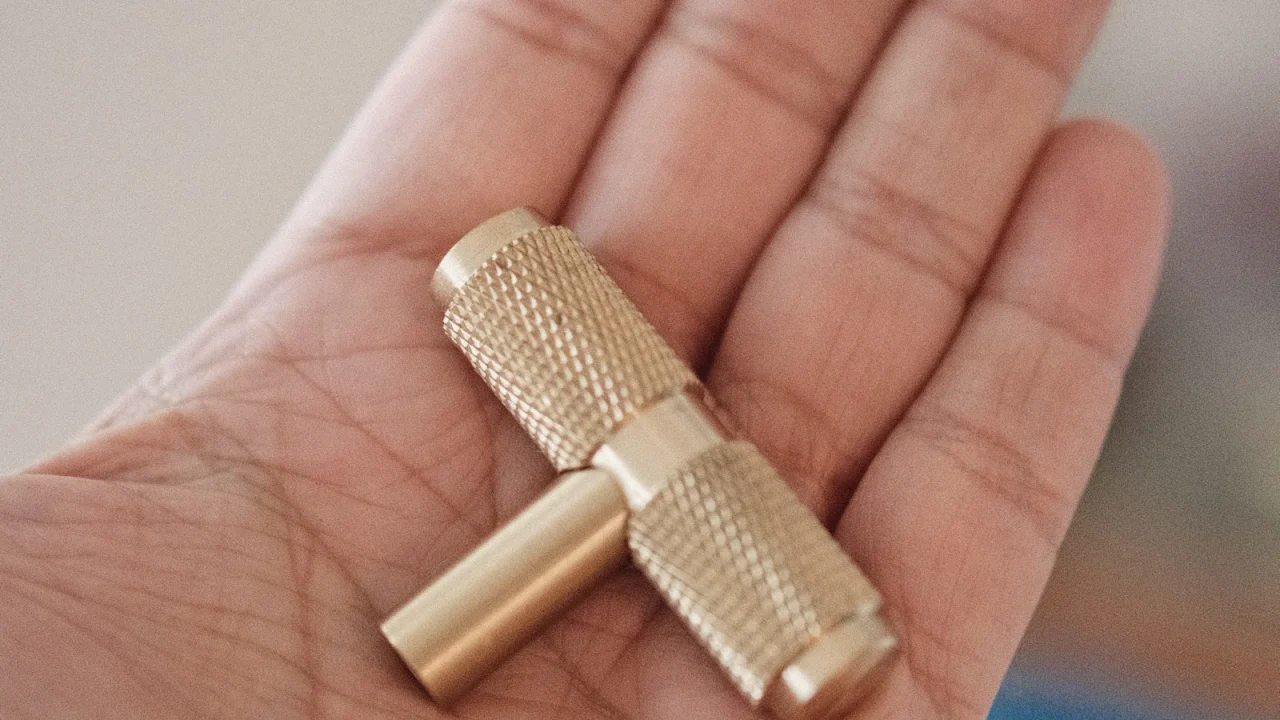
A drum key is essential; keep one on the kit and one in your stick bag. Spare cymbal felts and sleeves cost very little and protect cymbals from metal-on-metal contact. Drumheads wear out with use: replace a batter head when it is dented or sounds dead.
Sound control
Damping gels and rings tame excessive ring from snare drums and toms. A drum rug stops the bass drum and hi-hat sliding forward and protects the floor; a rug with a non-slip backing works best.
Carrying and storage
A stick bag keeps sticks, keys and small parts together. If the kit travels, padded bags or cases protect the shells, and a hardware bag saves several trips to the car.
Quick comparison
| Accessory | Priority | Why it matters | Our take |
|---|---|---|---|
| Throne | Essential | Posture and balance | Do not skimp here |
| Drum key | Essential | Tuning and adjustments | Own two |
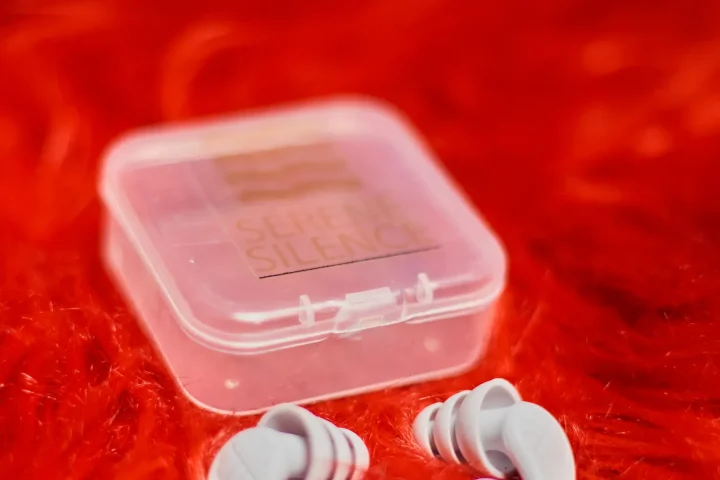
| Hearing protection | Essential | Protects your hearing | Wear it every time |
| Rug | High | Stops the kit moving | Needed on hard floors |
| Stick bag | Useful | Organisation | Inexpensive and handy |
| Damping gels | Useful | Controls ring | A quick fix for tone |
Accessories worth having
These boxes describe types of gear rather than single models. Each button opens live Amazon results, so you see current options, prices and buyer reviews for yourself. We have not bench-tested individual products for this guide. How we choose gear.
Drum throne
Best for: Every drummer
A solid seat improves posture, balance and stamina.
- Better posture
- Stable base
- Adjustable height
Keep in mind: The cheapest models wobble and sink
Affiliate link — we may earn a commission.
Drum key
Best for: Every drummer
You cannot tune or adjust a kit without one.
- Costs very little
- Fits standard lugs
- Easy to carry a spare
Keep in mind: Easy to lose, so buy two
Affiliate link — we may earn a commission.
Drum rug
Best for: Kits on hard floors
Holds the bass drum and hi-hat in place and protects the floor.
- No more sliding bass drum
- Protects floors
- Marks your setup positions
Keep in mind: Needs to be large enough for the throne too
Affiliate link — we may earn a commission.
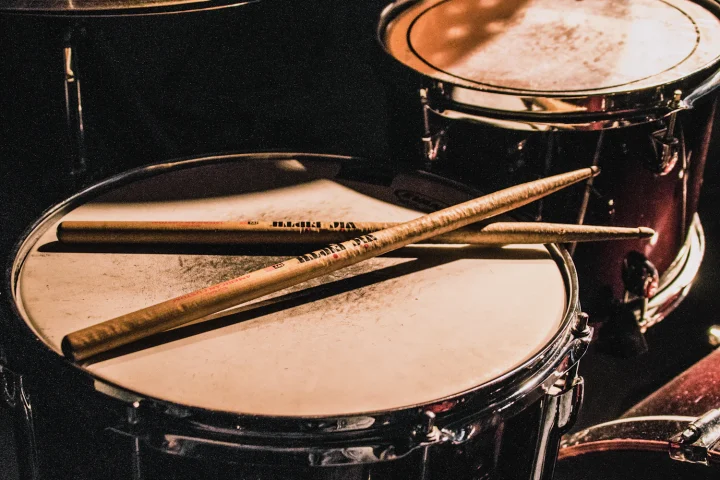
Stick bag
Best for: Lessons, rehearsals and gigs
Carries sticks, a key, earplugs and a pencil, and hangs from the floor tom.
- Everything in one place
- Hangs within reach
- Inexpensive
Keep in mind: Pick one with a pocket for small parts
Affiliate link — we may earn a commission.
Damping gels
Best for: Snare drums and toms that ring too long
Small reusable pads that stick to the head and shorten the sustain.
- Quick to apply and remove
- Reusable
- Fine control
Keep in mind: They collect dust; keep them in their case
Affiliate link — we may earn a commission.
Cymbal felts and sleeves
Best for: Any kit with worn or missing parts
Fresh felts and sleeves stop cymbals rubbing on metal stands.
- Protects cymbals
- Costs very little
- Fits standard stands
Keep in mind: Check the thread size on your stands
Affiliate link — we may earn a commission.
Before you buy: a short checklist
- Sit on a throne that does not wobble
- Keep a drum key on the kit
- Put a rug under the whole setup
- Carry earplugs in your stick bag
- Replace worn felts, sleeves and heads
Frequently asked questions
What accessories does a beginner drummer need?
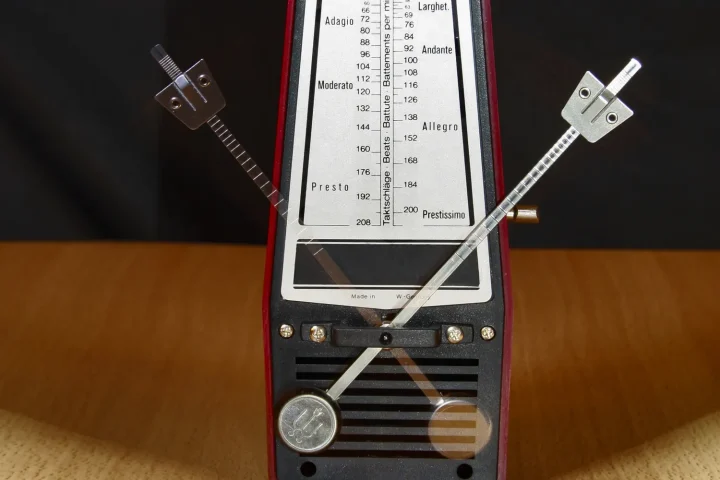
A throne, a drum key, sticks, hearing protection and, on a hard floor, a rug. A metronome and a practice pad are the most useful additions after that.
What height should my drum throne be?
A common starting point is to have your thighs sloping slightly downward, with your hips a little above your knees. Adjust from there until your legs feel relaxed on the pedals.
Do I need a drum rug?
On carpet, not necessarily. On wood, tile or laminate, a rug stops the bass drum and hi-hat stand sliding away as you play.
How often should I change drumheads?
It depends on how much and how hard you play. Change a batter head when it has dents, has lost its tone, or will not hold its tuning.
The bottom line
Fix your seat first, then the small things. Our Maintenance Tracker can remind you when heads, sticks and felts are due, and the hearing protection guide covers the one accessory you should never skip.